Time in Morocco: What Travelers Should Know Before Visiting
When planning a trip, understanding the time in Morocco helps us stay organized, avoid confusion, and enjoy the journey without stress. Morocco is a country where daily life, business hours, prayer times, and travel schedules all follow a rhythm shaped by culture, religion, and geography. Knowing how time works there makes travel smoother and more enjoyable.
In this post, we explain the time zone in Morocco, daylight saving changes, daily schedules, and how time affects travel plans.
What Time Zone Is Morocco In?
The standard time in Morocco is based on Greenwich Mean Time, also known as GMT. This means Morocco usually follows GMT throughout most of the year.
However, Morocco has a unique approach to daylight saving time. Unlike many countries that change clocks twice a year, Morocco often stays on GMT+1 for most months and switches back to GMT during Ramadan. This change helps align daily life with fasting hours.
Because of this, the time in Morocco may feel confusing at first. Before traveling, we always double-check the current local time, especially during Ramadan months.
Does Morocco Use Daylight Saving Time?
Yes, but in a different way. Morocco typically uses GMT+1 as its standard time. When Ramadan begins, clocks move back one hour to GMT. After Ramadan ends, the country switches forward again to GMT+1.
This system supports daily routines during fasting. It affects work hours, transport schedules, and business timing. Travelers should keep this in mind when booking tours or transport.
Checking the current time in Morocco before arrival helps avoid missed connections or delays.
Time Difference Between Morocco and Other Countries
The time in Morocco differs depending on where we are traveling from:
-
Morocco is usually 5 hours ahead of Eastern Time in the USA
-
It is about 1 hour behind most European countries
-
It shares the same time as the UK when Morocco is on GMT
During Ramadan, the time difference may change slightly. This is why it’s important to confirm the local time close to your travel date.
Daily Life and Local Sense of Time
Morocco runs on a relaxed sense of time, especially outside big cities. While official schedules exist, daily life often moves at a slower pace. For travelers curious about cultural quirks and local stories, places like The Blue City of Morocco show how history and tradition shape daily life.
-
Shops may open late in the morning
-
Lunch breaks can be long
-
Some businesses close in the afternoon and reopen in the evening
In smaller towns, time feels flexible. In large cities like Casablanca or Rabat, schedules are more structured, especially for offices and transport.
As travelers, we adjust our plans and allow extra time for meals, shopping, and meetings.
Prayer Times and Their Impact on Schedules
Prayer times play an important role in daily life and influence how the time in Morocco feels. There are five daily prayers, and the call to prayer can be heard across cities and towns.
During Friday midday prayer, some shops and services may close for a short time. Tourist areas usually stay open, but it’s good to expect small pauses in daily activity.
This rhythm adds to the cultural experience and helps us understand local life better.
Best Time of Day for Travel and Activities
Knowing the best time of day helps us plan better:
-
Morning: Great for sightseeing, markets, and travel
-
Afternoon: Often quieter, especially during hot months
-
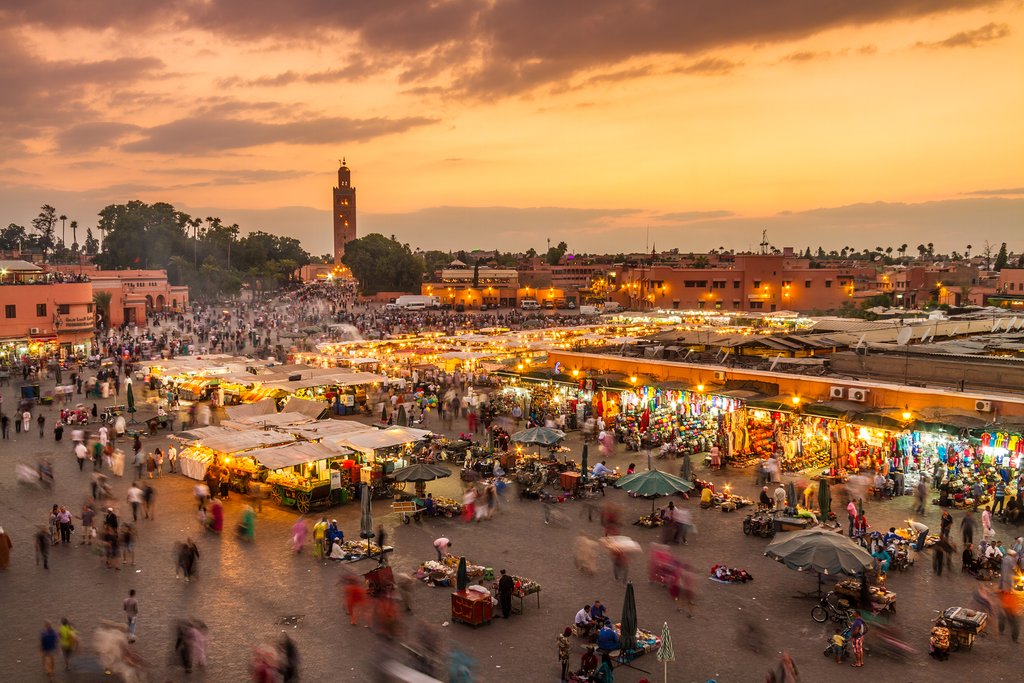
Evening: Popular for dining, walking, and social life
In summer, midday heat can be intense. We usually plan outdoor activities early in the morning or later in the evening.
In winter, days are shorter, so planning becomes more important.
Time in Morocco During Ramadan
Ramadan changes the daily schedule across the country. The time in Morocco during this month feels different:
-
Work hours are shorter
-
Cafés may open later in the day
-
Life becomes more active after sunset
Traveling during Ramadan is still enjoyable, but it requires patience and flexibility. Evenings are lively, with families gathering and streets filling after the fast breaks.
Tips for Managing Time While Traveling in Morocco
To stay organized, we follow a few simple tips:
-
Always check the local time on arrival
-
Confirm tour and transport timings a day in advance
-
Allow buffer time for delays
-
Be flexible and patient
Understanding the local approach to time helps reduce stress and improves the overall travel experience.
Final Thoughts on Time in Morocco
Understanding the time in Morocco helps us travel smarter and enjoy the country more fully. From time zones and daylight changes to daily routines and cultural rhythms, time shapes how Morocco moves each day. Insights like these are often shared at The Tourists World, helping travelers plan with awareness and intention.
When we respect local schedules and stay flexible, travel becomes smoother and more rewarding. Whether visiting cities, deserts, or coastal towns, knowing how time works helps us make the most of every moment.