Nijagara Waterfall: Facts, Views, History, and Travel Tips
Why Nijagara Waterfall Still Captures Our Attention
When people search for nijagara waterfall, they usually want clear answers: where it is, what makes it special, and whether it is worth the trip. We felt the same way before learning more about this famous natural site. At The Tourists World, we always look beyond surface facts to understand why a place matters to travelers and local culture.
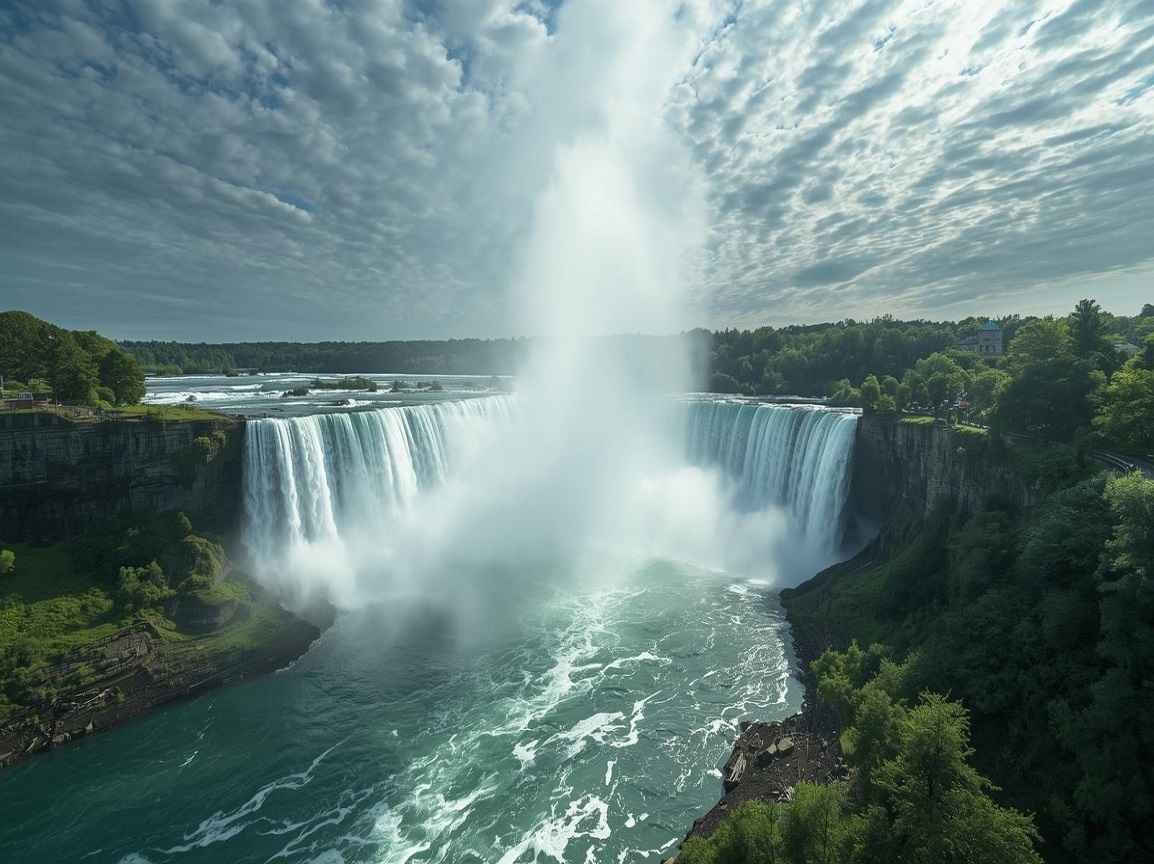
The roaring waterfall of Nijagara is one of the most talked-about waterfalls on the planet. It is known for its size, steady water flow, and the way it shapes the land around it. Over time, it has also become a symbol of natural power and shared heritage between two countries. In this article, we share what we learned through research, expert sources, and traveler experience, using simple words and honest insight.
We also focus on what leisure travelers and short-trip planners really want to know. How do you visit it? When is the best time? What should you expect on the ground? By the end, you will know whether Iconic Nijagara Falls fits your travel plans and how to enjoy it without stress.
Where Is Nijagara Waterfall and Why Is It So Famous?
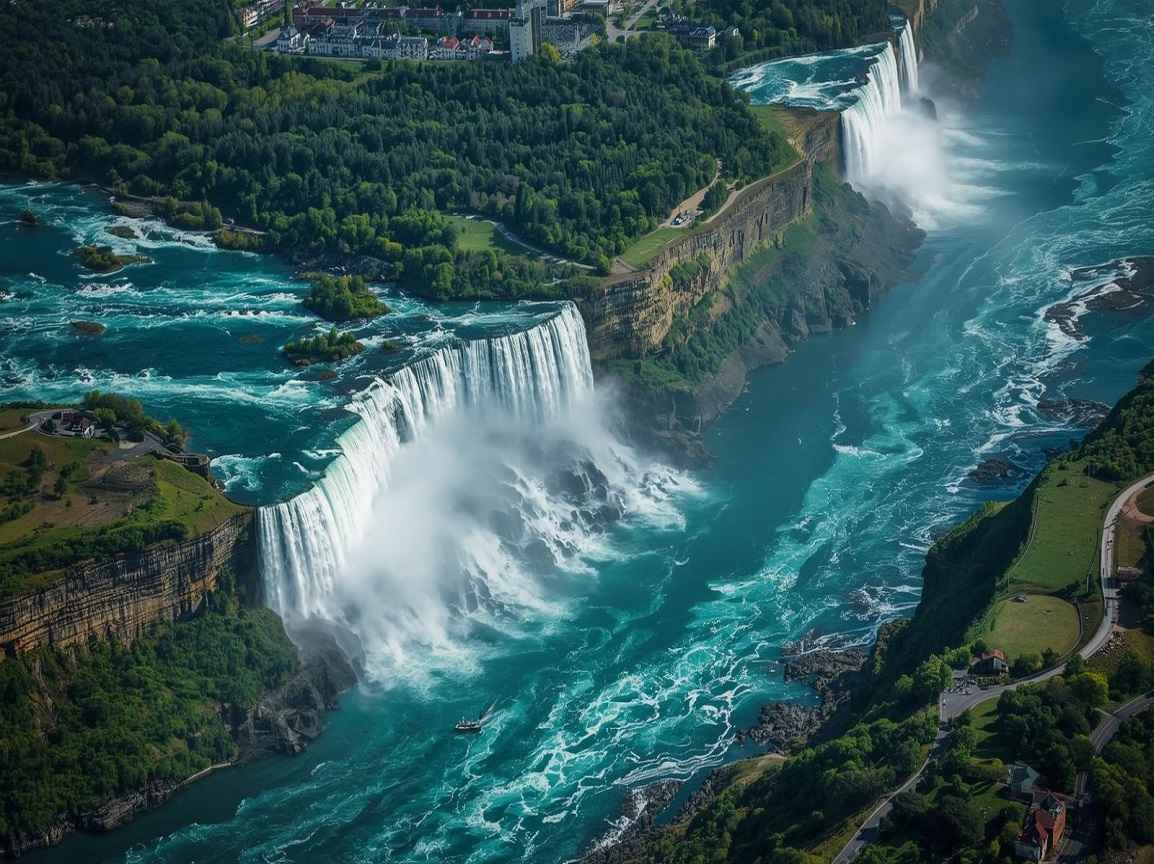
Nijagara Waterfall is located on the border between the United States and Canada. It connects Lake Erie to Lake Ontario through the Niagara River. This natural position gives the waterfall a steady and powerful flow all year. Many travelers include it while planning broader USA trips that mix nature with city stops. This approach is similar to planning things to do in Nashville along with nearby attractions to balance scenery and urban life.
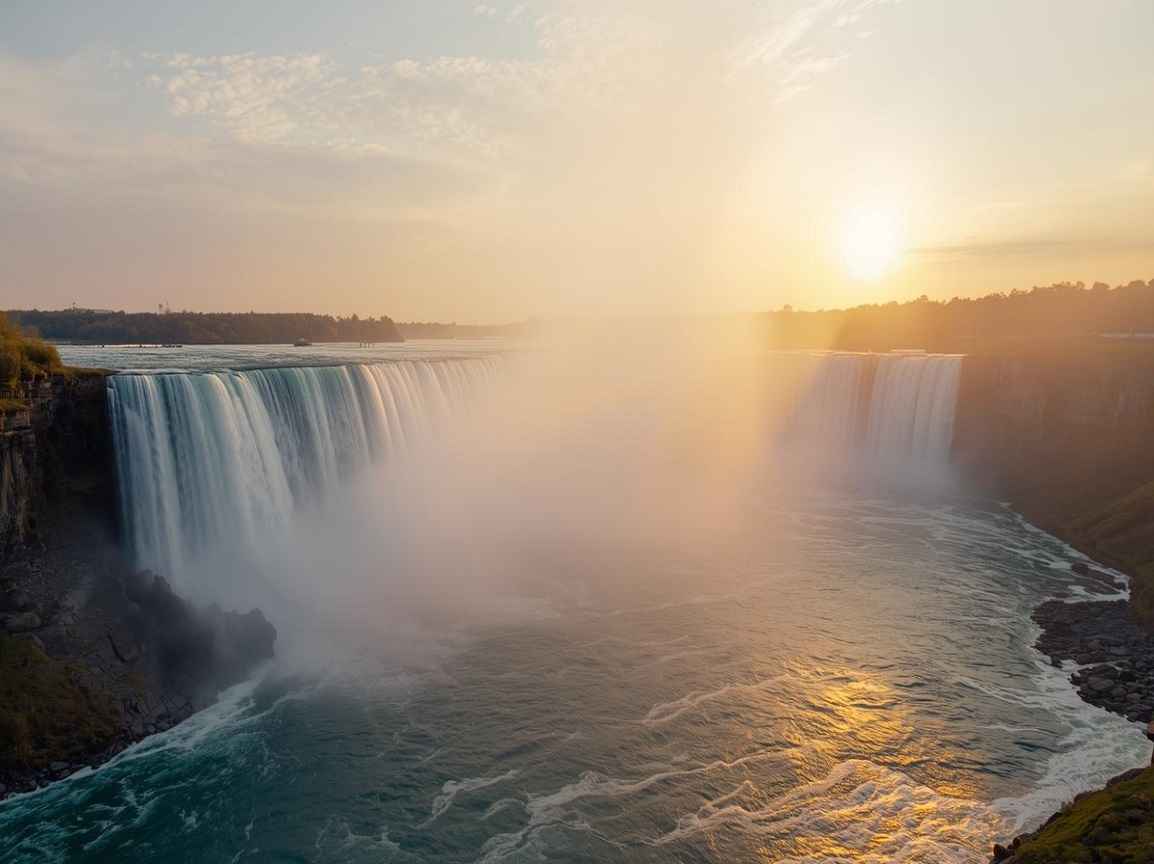
What makes Nijagara Cascades famous is not just height but volume. While some waterfalls are taller, few match the steady force seen here. The waterfall system includes three main sections: Horseshoe Falls, American Falls, and Bridal Veil Falls. Horseshoe Falls is the largest and sits mostly on the Canadian side.
We also learned that the area around the falls became one of the earliest protected natural sites in the region. Niagara Falls State Park, created in 1885, is considered the oldest state park in the U.S. This fact is often mentioned by historians and environmental experts as a turning point in nature conservation.
How Nijagara fall Was Formed
A common question people ask is how nijagara waterfall came into existence. The answer goes back to the last Ice Age. Around 12,000 years ago, melting glaciers shaped the Great Lakes and created the Niagara River. As water moved quickly over rock layers, it slowly carved out the falls.
According to geological studies from U.S. and Canadian environmental agencies, softer rock beneath harder stone eroded faster. This caused the waterfall to slowly shift upstream over time. Visitors who enjoy learning about natural landscapes, from beaches to islands such as natural island landscapes like Guanaja, often find this geological story just as interesting as the view itself.
What Makes Visiting Nijagara Waterfall Special?
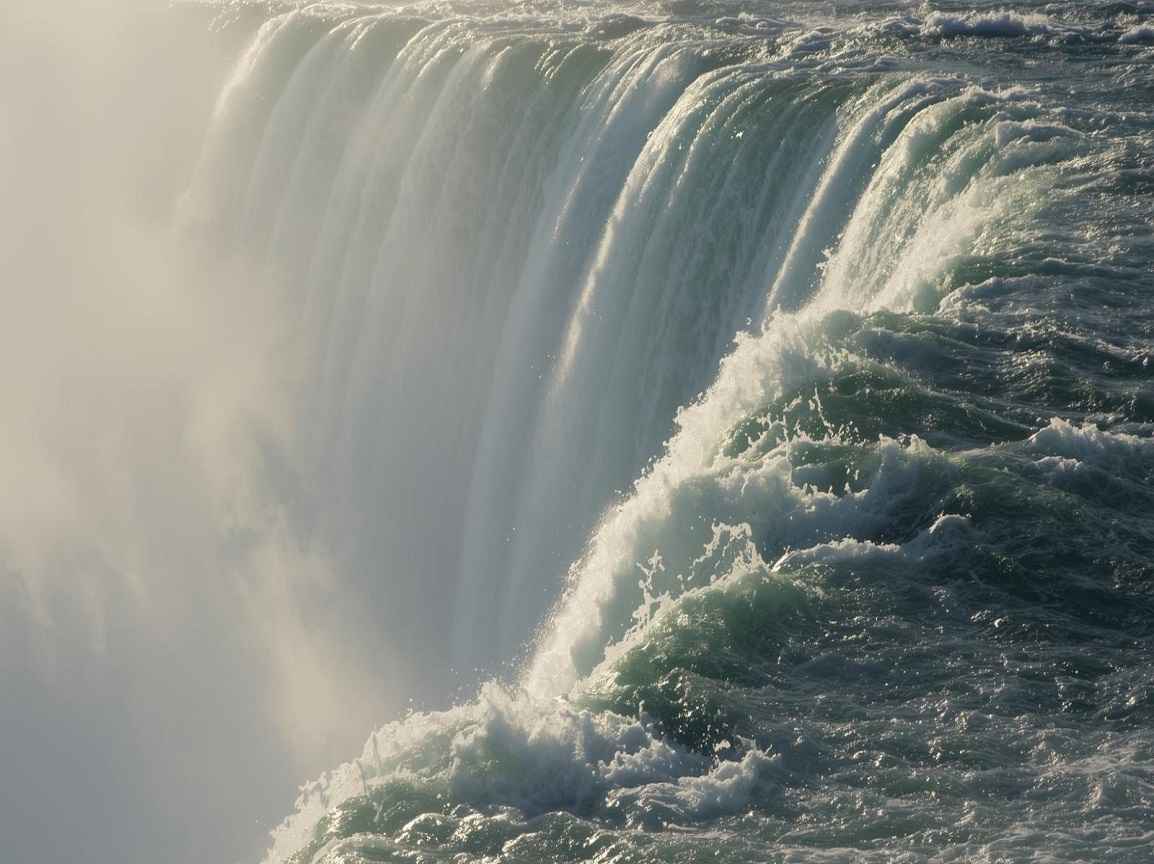
Visiting nijagara waterfall is simple and well-managed. Both the U.S. and Canadian sides offer walking paths, viewing platforms, and visitor centers. The Canadian side provides wide scenic views, while the U.S. side allows visitors to get closer to the water.
Boat rides near the base of the falls are one of the most popular activities. They allow visitors to feel the power of the water safely. These experiences are ideal for day-trippers and short-stay travelers, which is why The Great Nijagara Falls often fits well into quick travel plans without feeling rushed.
Best Time to See Nijagara Waterfall Without Crowds
Timing matters when planning a trip to nijagara waterfall. Summer months bring warm weather and full water flow, but they also bring large crowds. If you prefer calm walks and quiet views, late spring and early autumn are better choices.
According to tourism data from Ontario and New York state offices, May and September offer balanced conditions. The weather stays mild, and services remain fully open. Winter visits are also possible, and while some areas close, the frozen scenery offers a rare and peaceful experience.
We always suggest checking official park updates before planning. Weather and water flow can change conditions quickly. Reliable sources like park authorities and tourism boards provide real-time information that helps travelers stay safe and informed.

Cultural and Historical Importance of Nijagara Waterfall
Nijagara Waterfall is not only a natural attraction. Indigenous communities lived in this region long before modern borders existed. Historical records show that the waterfall held spiritual meaning and played a role in early trade routes.
This cultural depth places nijagara waterfall among other culturally important travel locations that offer more than visual beauty. Visitors interested in history and local stories often appreciate learning about the people connected to the land, not just the landscape itself.
Final Thoughts: Is Nijagara Waterfall Worth Visiting?
After reviewing expert sources, traveler feedback, and environmental studies, we can confidently say that nijagara waterfall remains one of the most meaningful natural sites to visit. It combines natural power, easy access, and deep history in a way few places can match.
Whether you plan a short visit or a relaxed weekend, Majestic Nijagara fall offers clear value. With good planning and the right timing, it suits families, solo travelers, and professionals looking for a refreshing break. At The Tourists World, we believe destinations earn their fame when they continue to offer real experiences and this waterfall does exactly that.
FAQs
1. Where exactly is nijagara waterfall located?
It sits on the border of the United States and Canada, between New York State and Ontario.
2. Is nijagara waterfall natural or man-made?
It is a natural waterfall formed by glacier movement after the last Ice Age.
3. How much time do we need to visit nijagara waterfall?
Most travelers spend 3 to 5 hours to see main viewpoints and take one activity.
4. Can we visit nijagara waterfall in winter?
Yes, some areas remain open, and winter views are calm and scenic.
5. Which side gives better views of nijagara waterfall?
The Canadian side offers wider views, while the U.S. side provides closer access.
6. Is nijagara waterfall suitable for day trips?
Yes, it is well-organized and ideal for short visits and day travel.
7. Do we need tickets to see nijagara waterfall?
Public viewing areas are free, but boat rides and attractions require tickets.