
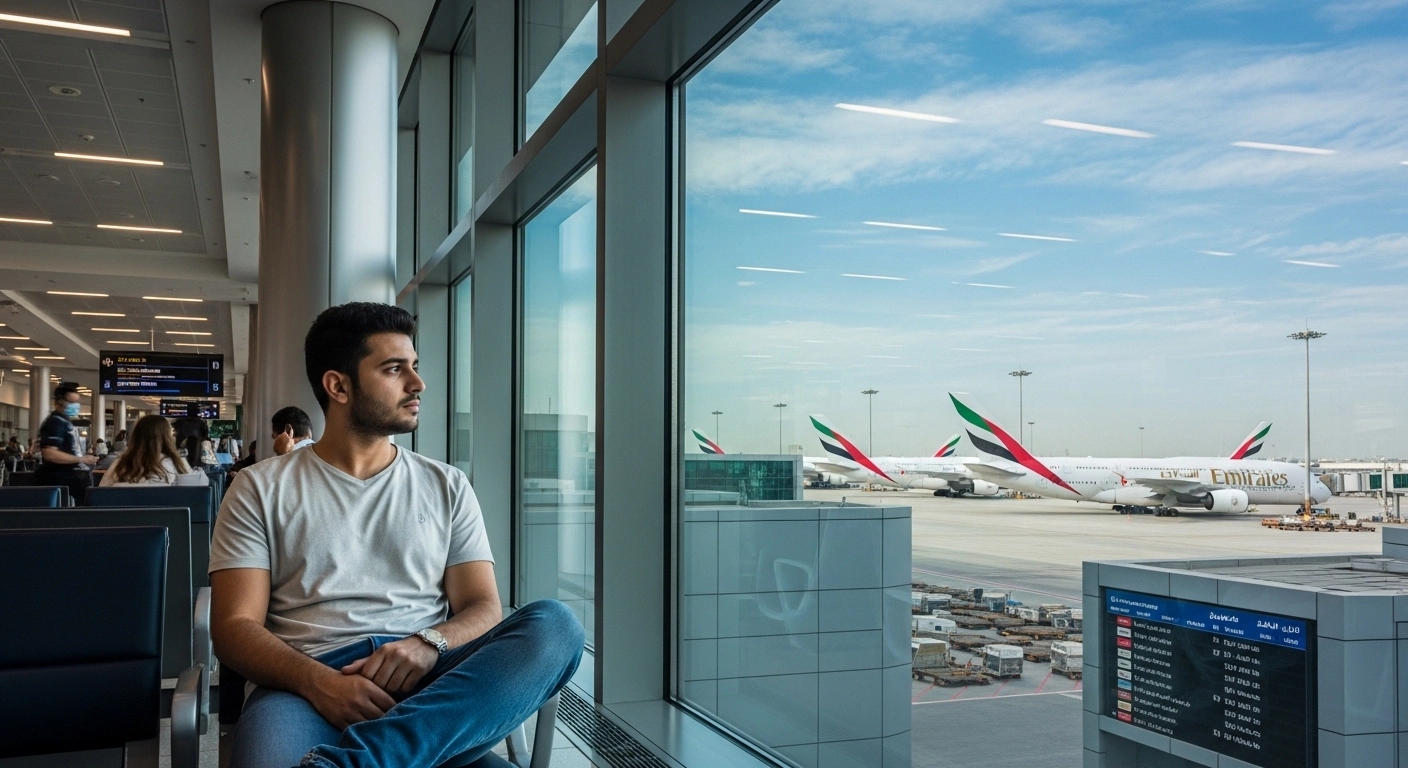
How the Iran–Israel War Is Disrupting Flights
Your flight just got cancelled. Or rerouted. Or delayed by 12 hours with no explanation. Sound familiar? The Iran–Israel war turned Middle East skies into a no-fly zone almost overnight. Over 3,000 flights vanished from screens on a single Saturday in February 2026. Dubai, Doha, Abu Dhabi and Tel Aviv were all hit hard. If you are flying to, from, or through the Middle East, we break down exactly what happened, which airports and airlines are affected, and what you need to do right now to protect your trip.
What Happened? Here Is the Short Version
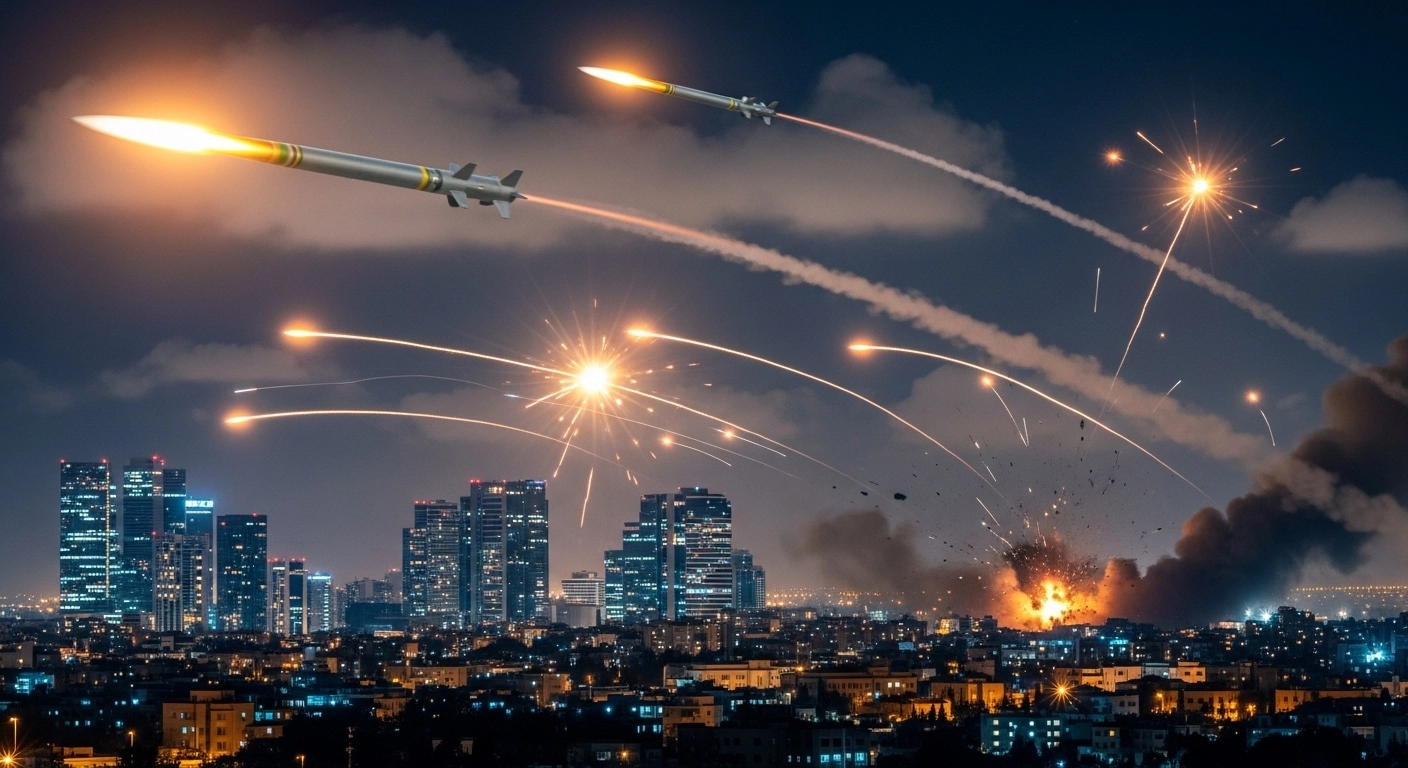
On February 28, 2026, the US and Israel launched strikes on Iran. Iran hit back fast with missiles and drones that flew across the Gulf. At least eight countries shut their airspace almost overnight. Those countries included Iran, Israel, Iraq, Jordan, Qatar, Bahrain, Kuwait, and the UAE. Syria also closed part of its southern airspace. About 24% of all Middle East flights were cancelled on that Saturday alone. Nearly half of all Qatar and Israel flights were scrapped. That is not a small disruption as it’s a full shutdown.
Which Airports Are Hit the Hardest?
Dubai International Airport (DXB)
Dubai International is the world’s busiest airport for international passengers. Iranian strikes forced the airport to be evacuated. Passengers were told not to travel there unless they had a confirmed departure time from their airline. By Friday of that week, nearly 4,000 flights had been cancelled in or out of DXB since the conflict began.
Doha’s Hamad International Airport (DOH)
Over 2,000 flight cancellations hit Doha by that same Friday. Qatar Airways suspended all flights. All aircraft movements at Hamad International remained suspended while Qatar’s airspace was closed.
Abu Dhabi’s Zayed International Airport
Abu Dhabi’s airport was directly hit by Iranian strikes. Etihad Airways suspended all departures and extended its suspension multiple times as the situation changed.
Tel Aviv’s Ben Gurion Airport (TLV)
Israel’s airspace was fully closed from the start of the conflict. Ben Gurion Airport began slowly reopening in phases, with Israel’s Transport Minister saying they aimed to bring back around 10,000 passengers per day.
Kuwait International Airport (KWI)
Drone attacks caused damage at Kuwait International Airport, injuring some workers. Kuwait’s airspace was fully closed, with all commercial flights on hold.
Which Airlines Cancelled or Rerouted Flights?
This list covers the major carriers that acted quickly. Emirates temporarily suspended all Dubai operations. Qatar Airways halted all flights after Qatar’s airspace was shut. Etihad Airways cancelled all Abu Dhabi departures. flydubai was hit by sudden airspace shutdowns. Oman Air suspended all flights to Baghdad. United Airlines suspended all US–Tel Aviv flights through March 6. Delta Air Lines cancelled New York JFK–Tel Aviv flights. KLM, Turkish Airlines, Virgin Atlantic, British Airways, Lufthansa, and Wizz Air all cancelled or rerouted multiple routes.
Air India suspended all westbound international flights and later cancelled India–Europe and India–US routes too. Russian airlines were ordered to suspend flights to Iran and Israel entirely. Europe’s EASA told all airlines to avoid flying over the Middle East at any altitude. That means even flights that just pass through the region were affected. Europe-to-Asia routes were hit. India-to-US routes were rerouted. The chaos spread as far as Brazil and Australia.
Real Stories: What Passengers Went Through
Eddie and Jan Dupuy, a couple from Tacoma, Washington, got stranded in Abu Dhabi. They had been visiting friends in Tel Aviv and Jordan. Their first flight home was cancelled. Then their second. They booked a third and feared that one would be cancelled too. They called the US State Department three times and got no help. Travelers were stranded as far as Australia, Brazil, and the Maldives. Many could not get home for days. That is the reality of flying during a conflict. You are not just buying a ticket. You are betting on geopolitics.
Why Are Flights So Much More Expensive Now?
Even when routes reopen, your wallet still feels the war. Airspace closures force airlines to take longer routes to destinations that previously used Middle East airspace. Longer routes mean more fuel. More fuel means higher costs passed on to you. Dubai, Abu Dhabi, and Doha are critical hubs for travel between Europe, Africa, and Asia. When they go down, flights everywhere else get longer and costlier. Also, standard travel insurance does not cover you here. Most travel insurance policies do not cover events that have already started, so many flyers are out of luck when conflict breaks out mid-booking. We always say: read the fine print before you buy travel insurance.
What Are the New Flight Routes?
With the Gulf largely closed, airlines are using two main corridors: Europe-to-Asia traffic is now moving south via Egypt, Saudi Arabia, and Oman, or north via the Caucasus and Afghanistan. Both corridors are busy and congested. Virgin Atlantic was one of the first to resume flights from Dubai to London, using tightly defined waypoint corridors in UAE airspace. Even then, it was controlled access, not a full reopening.
How to Track Real-Time Flight Disruptions
You do not have to sit and wait. Here is what we use and recommend:
- FlightAware: They offer live flight tracking and cancellation data
- Flightradar24: You get real-time aircraft positions and airspace maps
- Safe Airspace conflict zone aviation risk database used by airlines
- EASA Conflict Zone Information Bulletins official European aviation authority guidance
- Your airline’s app: It is best to turn on notifications. Airlines send updates fast when routes change.
You check these before you head to any airport in the region.
Tips To Travel Safe Through the Middle East Right Now
We put this together for you based on what travellers are reporting:
- Check your flight status the night before and on the day. Do not assume your flight is fine just because you booked it.
- Avoid one-stop connections through Dubai, Doha, or Abu Dhabi. If one leg gets cancelled, you are stuck in a conflict-adjacent city.
- Book flexible tickets only. Airlines are offering waivers on rescheduling. Use them.
- Look at alternative hubs. Cairo, Amman (when safe), Nairobi, Istanbul, and Colombo are handling more traffic now. They may work for your route.
- Check your travel insurance policy NOW. If it does not cover conflict-related disruptions, call your provider before you fly.
- Register with your country’s embassy online. If things escalate, governments run repatriation flights. You need to be registered to get on one.
- Keep some local cash on you. If you are stuck in a diverted city, card systems and roaming can fail in stressful situations.
Are Things Getting Better?
Slowly, yes. Some airlines have started resuming limited flights. But the situation is still fluid. Aviation security expert Eric Schouten said passengers and airlines should expect airspace to be shut for quite some time. The impact, he noted, is immediate and highly fluid. Airlines will need to reposition aircraft scattered across the globe before they can fully restore services. That process takes days, not hours. We are watching this daily. We will update our coverage as things change.
Keep Reading With Us
The Iran–Israel war is not just a news story. For travellers, it is a very real disruption affecting plans, money, and safety. We at The Tourists World are watching this closely so you do not have to piece it together alone. You can bookmark The Tourists World right now. We keep our travel content fresh, honest, and built for real people planning real trips. Whether it is a hidden beach, a weekend city break, or navigating a crisis like this one, we have your back. Our readers never travel blind.
Also check out our other travel reads you might find useful:
Frequently Asked Questions (FAQs)
- Is it safe to fly to Dubai right now?
Flights to Dubai have partially resumed, but disruptions continue. You should check with your airline and monitor FlightAware before you travel to the airport. - Which airlines cancelled Middle East flights in 2026?
Emirates, Qatar Airways, Etihad, Air India, KLM, Lufthansa, British Airways, United, Delta, Virgin Atlantic, Turkish Airlines, and many others cancelled or rerouted flights. - Why did the Iran–Israel war affect flights in Dubai?
Dubai sits in a region where missiles and drones were active. Iran struck targets near the UAE, forcing Dubai International Airport to evacuate and cancel thousands of flights. - Can I get a refund if my Middle East flight was cancelled?
Yes, in most cases. Airlines have issued waivers. Contact your airline directly and request a full refund or free rescheduling for your affected booking. - Does travel insurance cover Iran–Israel war flight cancellations?
Most standard policies do not cover conflicts that were already underway when you bought your ticket. Review your policy carefully or call your insurer before you fly. - What is the safest hub to connect through right now?
Istanbul, Cairo, Nairobi, and Colombo are handling increased traffic as alternative connection points while Gulf hubs remain disrupted. Check your route options carefully. - How can I track whether my flight will be cancelled?
Use FlightAware, Flightradar24, and your airline’s app. Turn on push notifications. Check Safe Airspace for conflict zone updates that airlines use to make their own decisions. - Are Qatar Airways flights running again?
Qatar Airways suspended all flights when Qatari airspace closed. Resumptions depend on Qatar’s Civil Aviation Authority reopening airspace. Check the airline website for the latest update. - Why are flights through the Middle East more expensive now?
Airlines are flying longer routes to avoid conflict zones. Those extra hours of flying burn more fuel, and those costs are passed on to you through higher ticket prices and surcharges. - What should I do if I am already stranded in the Middle East?
Contact your airline immediately for rerouting or a refund. Register with your country’s local embassy. Check your government’s travel advisory page daily, and stay close to your accommodation.