
Basic Navigation Skills Every Hiker Should Know
Every hiker, regardless of skill level, can benefit from having a strong foundation of essential navigation skills. By understanding how to read paper maps, use a compass, identify natural landmarks, and incorporate GPS tools can ensure both your safety and confidence as a hiker on the trail. Whilst modern devices can be helpful, they can also fail due to loss of signal, battery depletion, or weather con-ditions. Therefore, this is why traditional techniques remain the most effective way to stay oriented, plan routes, and make informed decisions during unexpected changes.
Here are some basic navigation skills that will help every hiker out on their next trail.
Master Map & Compass Basics
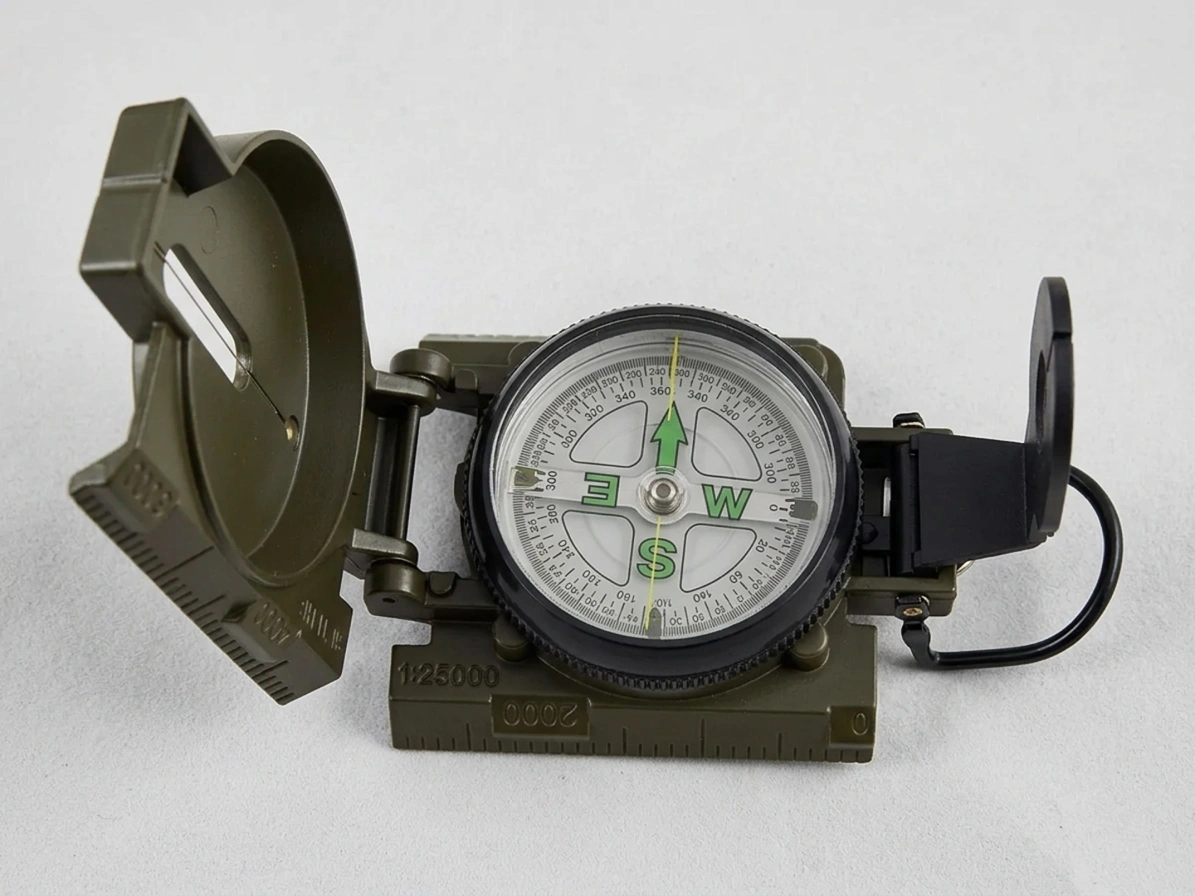
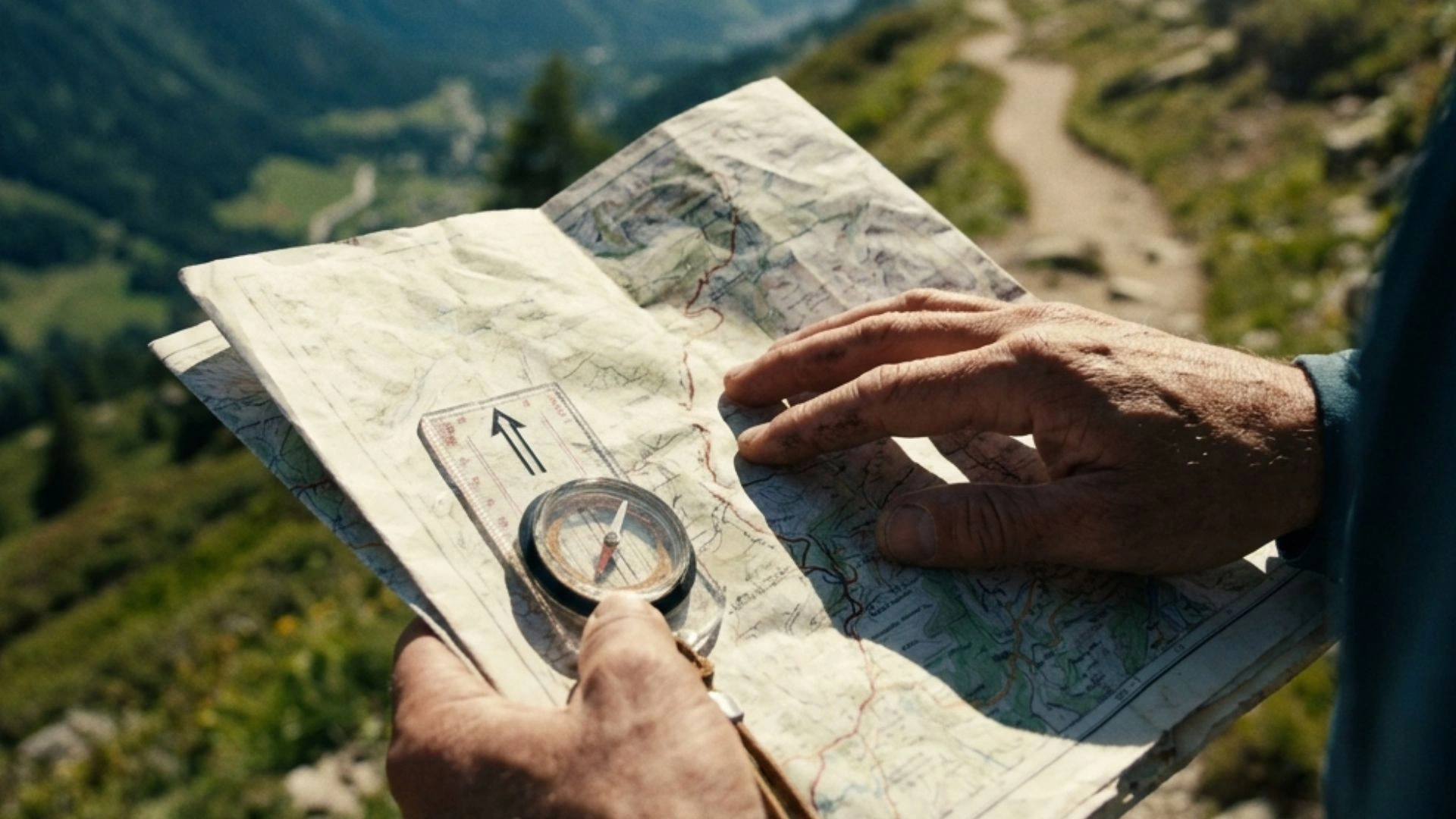
Learning how to read a topographic map is an essential skill for any hiker, as they show elevation, terrain features, and distances. When this is paired with a com-pass, you are able to orient. the map and work out the direction using bearings. This can be achieved by aligning the compass with the map’s north and then ro-tating the map until it matches the terrain around you. Relying solely on GPS can be risky, as a device can fail or lose signal, so traditional navigation skills remain critical.
Learn to Stay Oriented Using Natural Clues
There are various environmental cues that can help you maintain awareness of your direction and prevent you from getting lost. These can include the sun’s po-sition in the sky, notable terrain features like ridges, water, valleys etc. and landmarks. Practical habits like turning around periodically to view the trail in re-verse can also prevent disorientation.
Using GPS & Digital Navigation Tools
GPS devices and mobile navigations apps are great for offering real-time position tracking and route planning. Hikers should also in advance download offline maps, set waypoints, and bring portable power sources just in case any device loses battery whilst on the trail. Using a secure browser, such as a Tor browser can also help you stay protected whilst online when accessing public networks. Being able to use both digital and traditional navigation systems ensures you are always able to find your way.
Always Carry & Know the Essentials
Finally, you should always carry essential navigation tools as part of the “Ten Es-sentials”. These essentials include navigation (map, compass, GPS), sun protec-tion, insulation, illumination, first-aid supplies, fire, repair kit and tools, nutrition and hydration and emergency shelter.
Preparation is more than just a checklist, it is a navigation skill. That will help you find your way, whilst staying safe when hiking. With search-and-rescue missions remaining common across the US. Every hiker should prioritize learning key navi-gation skills before they plan on hitting the trail.
By learning essential navigation skills, learning to stay oriented. Making use of GPS and navigation tools, and carrying the essentials. Hikers can avoid getting lost and stay safe on their hikes. Traditional navigation skills are essential for safe hiking, particularly. As digital tools can be unreliable when you are out in nature.