
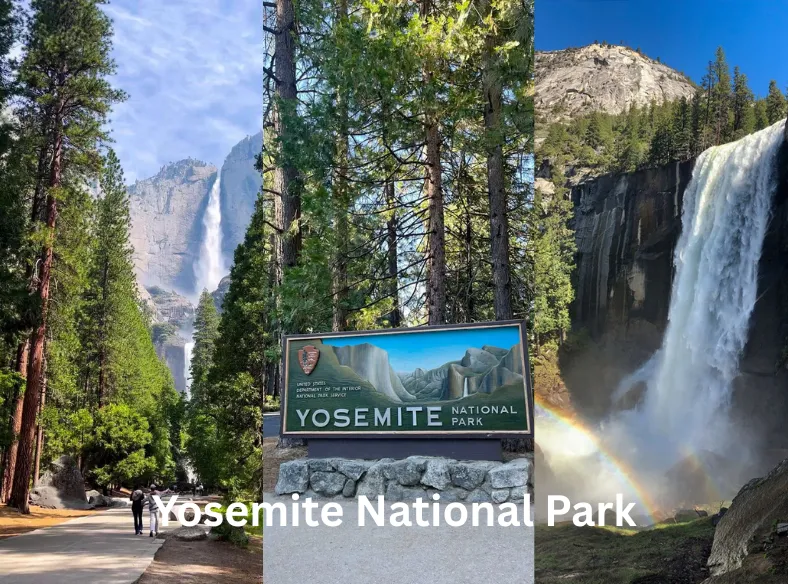
15 Best Things to Do in Yosemite National Park (Complete Guide 2026)
Yosemite National Park is a must-visit spot in California, famous for its towering cliffs, breathtaking waterfalls, and wide green valleys. With over a million visitors every year, planning a trip can feel a bit overwhelming.
This guide walks you through the 15 best things to do in Yosemite National Park, including top Yosemite National Park attractions, hiking trails, waterfalls, and advice to ensure your trip is smooth and memorable.
Why Yosemite Should Be on Your Travel List
Nestled in the Sierra Nevada mountains, Yosemite National Park covers more than 1,100 square miles of wilderness. It is famous for landmarks like El Capitan, Half Dome, Yosemite Falls, and the Mariposa Grove of Giant Sequoias.
Here’s why Yosemite is special:
- Over 750 miles of hiking trails
- Iconic granite cliffs and rock formations
- A wide variety of wildlife and plants
- Some of the most stunning waterfalls in North America
Whether you’re into hiking, exploring waterfalls, photography, or just enjoying some peaceful time outdoors, Yosemite has something special for everyone to enjoy.
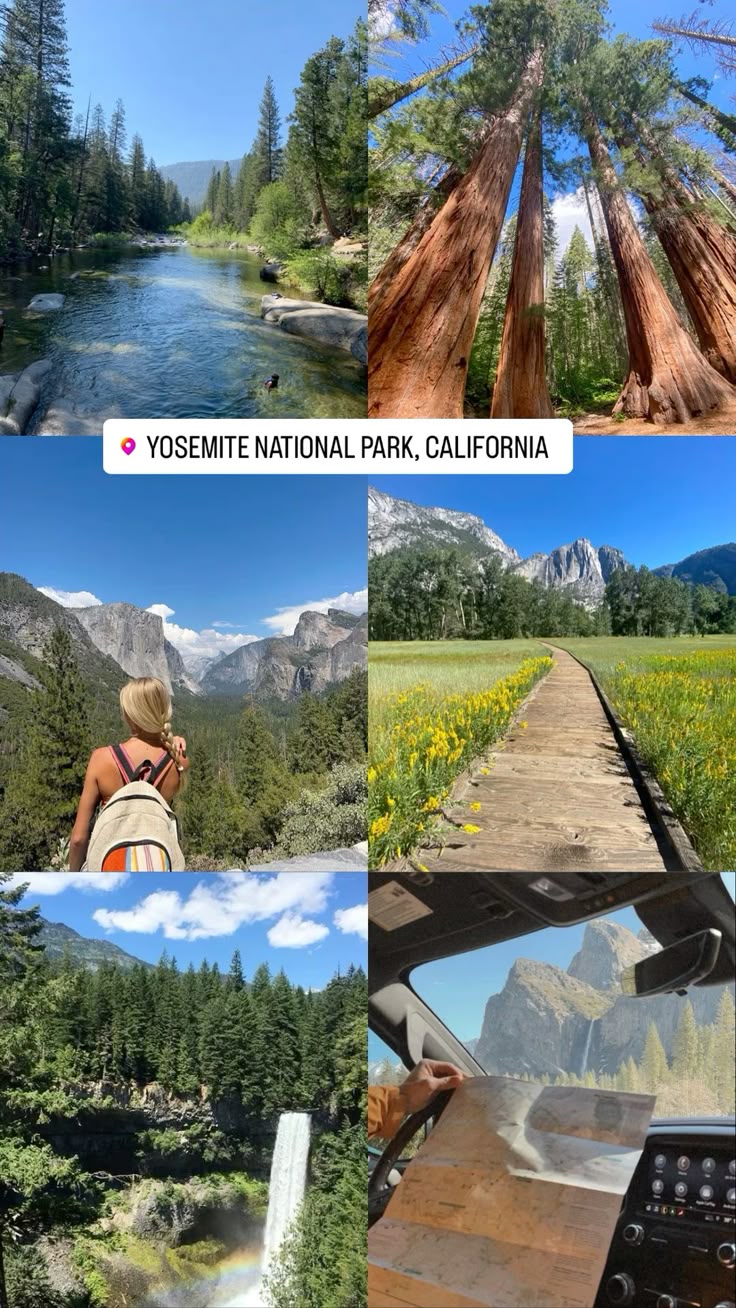
15 Unmissable Things to Do in Yosemite National Park
Yosemite National Park is one of the most stunning destinations in the U.S., drawing travelers with its towering cliffs, lush valleys, and breathtaking waterfalls. Planning your trip can feel overwhelming because the park offers so many activities. This guide will walk you through the 15 best things to do in Yosemite National Park, highlighting attractions, scenic hiking trails, and more.
1. Go to Yosemite Falls
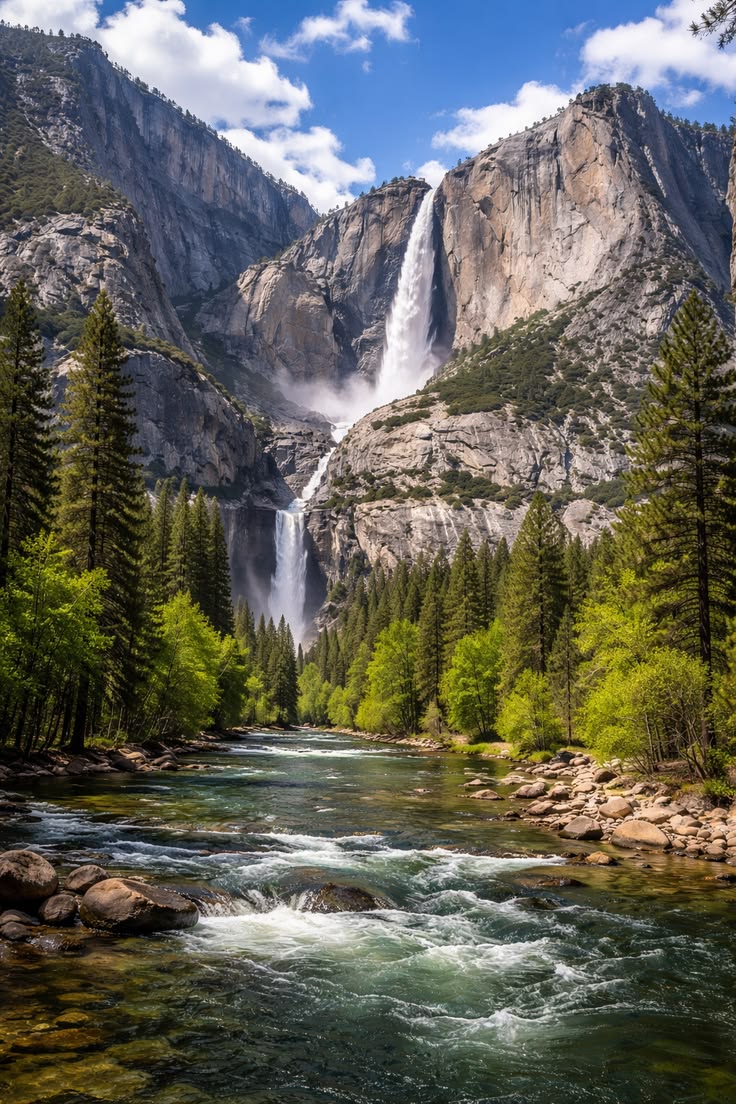
Yosemite Falls is North America’s tallest waterfall, with a drop of 2,425 feet from top to bottom. The climb to the top is strenuous, but the views of the valley below are spectacular. The base trail offers a shorter path without sacrificing the beauty if you’d rather take an easier stroll.
Tip: Visit during spring or early summer. to see the waterfall at its strongest flow. This is a key stop in any Yosemite waterfalls guide.
2. Climb or View Half Dome (Permits Required)
Half Dome is one of Yosemite’s most iconic landmarks. Adventurous hikers can climb it via the cable route, which requires a permit. The summit offers unforgettable views over the valley.
Pro Tip: Even if you don’t hike it, you can photograph Half Dome from several Yosemite National Park attractions. Start early and bring water.
3. Drive on Glacier Point Road
Glacier Point stands out as one of the top viewpoints in the park. The High Sierra peaks, Half Dome, and Yosemite Valley are visible from this location. Summer is the ideal season to visit because the road is open from late May to October.
Pro Tip: This place has a wonderful sunset. The temperature can drop quickly, so pack a light jacket.
4. Wander Through Mariposa Grove of Giant Sequoias
The Mariposa Grove is home to over 500 giant sequoias. Some of these trees are more than 2,000 years old. Walking among them is humbling and peaceful.
Pro Tip: Arrive early to avoid crowds. This is another must-see on your list of Yosemite National Park attractions.
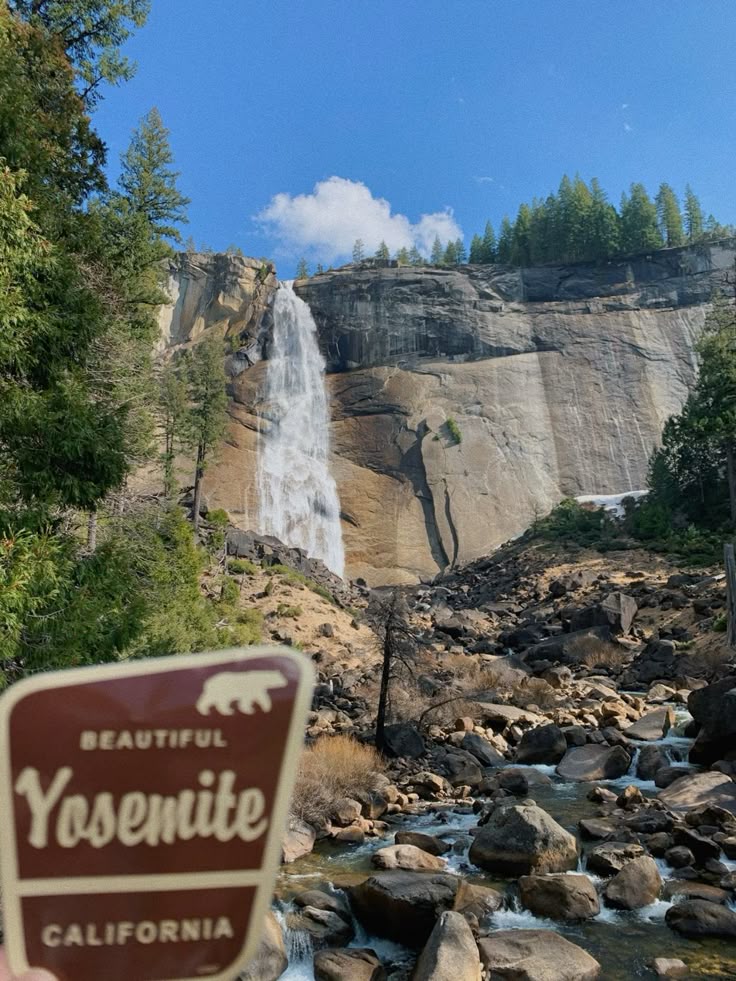
5. Travel the Mist Trail to Nevada Falls and Vernal
One of Yosemite’s most well-known hiking routes is the Mist Trail. It offers breathtaking views as you approach Nevada Fall and Vernal Fall. A mystical element is added by the falls’ mist.
Pro Tip: Bring water and wear supportive shoes. This trail is essential to the Yosemite waterfalls guide.
6. Explore Yosemite Valley
With its cliffs, rivers, and meadows, Yosemite Valley is the center of the park. El Capitan Meadow, Cook’s Meadow, and Sentinel Bridge are important locations. A leisurely way to take in the sights is to stroll or ride a bicycle through the valley.
Pro Tip: To take advantage of easier parking and quieter trails, arrive early.
7. Visit Bridalveil Fall
Bridalveil Fall is easily accessible, making it one of the most photographed waterfalls in Yosemite. A short trail from the parking area leads to the base.
Pro Tip: The path can be wet and slippery, so wear proper footwear. Another essential stop in your Yosemite waterfalls guide.
8. Watch Rock Climbers on El Capitan
El Capitan is world-famous for rock climbing. Even if you don’t climb, watching climbers scale this granite giant is fascinating.
Pro Tip: The best viewpoints are El Capitan Meadow and the valley floor areas. This is one of the most popular Yosemite National Park attractions.
9. Drive or Bike Along Tioga Road
Tioga Road winds through Yosemite’s high country, passing alpine meadows, lakes, and granite peaks. Tuolumne Meadows, Tenaya Lake, and Olmsted Point are stops.
Pro Tip: Before visiting, make sure the roads are in good condition. It would be ideal to incorporate this picturesque route into your Yosemite itinerary.
10. Have a picnic at Cathedral or Sentinel Beach
At Cathedral Beach or Sentinel Beach, unwind by the Merced River. Both locations let you enjoy breathtaking views of Half Dome and peaceful waters.
Pro Tip: Must bring enough water and snacks, as there are no facilities. Despite this, no doubt, it’s an ideal location for a peaceful respite on your Yosemite itinerary.
11. Take a Tunnel View Picture
The iconic Tunnel View offers views of Half Dome, Bridalveil Fall, and El Capitan. Photos at sunrise and sunset are the best.
Pro Tip: Try to get there early or late to avoid crowds. Fewer crowds let you capture crisp images.
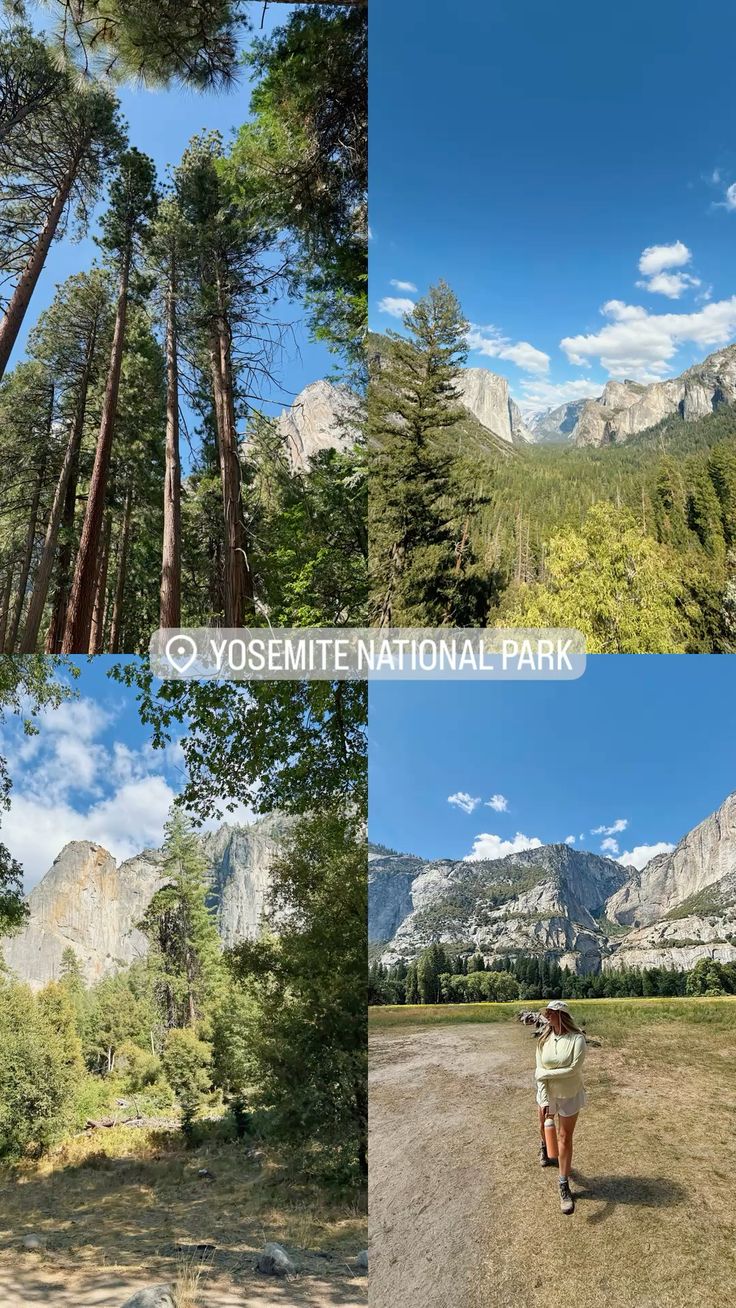
12. Hike the Four-Mile Trail
The Four-Mile Trail climbs from the valley floor to Glacier Point. It is moderately strenuous but less crowded than some other Yosemite hiking trails. The views along the way are incredible.
Pro Tip: Allocate 3–4 hours for this hike and carry water and snacks.
13. Visit Yosemite Museums and Visitor Centers
Including the Yosemite Museum and Ansel Adams Gallery, Yosemite has several visitor centers that welcome visitors from around the world. They offer information on park history, photography exhibits, and expert guidance on trails and attractions.
Pro Tip: Take a moment here to explore maps, get helpful ranger tips, and stay updated on trail conditions. Perfect for helping you plan your Yosemite trip.
14. Experience the Night Skies of Yosemite
Yosemite’s high elevation and minimal light pollution create a wonderful setting for enjoying stargazing. You can often enjoy a clear view of the Milky Way. Ranger-led programs offer exciting astronomy insights and helpful tips.
Pro Tip: Bring a red-filter flashlight to help preserve your night vision and enjoy a more comfortable experience.
15. Plan Your Yosemite Route
A well-planned Yosemite itinerary thoughtfully combines sightseeing, hiking, and relaxation. Here’s a lovely 3-day plan to help you make the most of your trip:
- Day 1: Bridalveil Fall, Yosemite Falls, and Yosemite Valley highlights
- Day 2: Nevada Falls and Vernal via Mist Trail
- Day 3: Tioga Road scenic drive, Glacier Point, and Mariposa Grove
Pro Tip: To save time and ease parking, use the park shuttle system.
When to Go to Yosemite
Depending on your priorities, there are several times to visit Yosemite.
- Spring (April–June): Vibrant meadows and peak-flowing waterfalls
- Summer (July–September): Trails are accessible, and the weather is warm.
- Fall foliage and fewer crowds (October–November)
- Winter (December–March): quiet trails, snow activities, and some closures
Pro Tip: Summertime is the best time to go hiking, but spring is best for waterfalls.
One Last Thing Before You Go
Yosemite National Park is beyond the list of sights. In fact, it’s an experience that’s hard to express in words and pictures. From towering cliffs to calm rivers, every corner offers something special. Whether you’re hiking, picnicking, or photographing waterfalls, a bit of planning helps make your visit smooth and memorable.
Do you want more guidance like this? Visit The Tourists World to view our comprehensive travel preparation guides. We cover everything you need for a seamless trip to Yosemite, including seasonal advice and insider tips.
At the Tourists World, we believe in simple planning and strategic timing. Knowing when to visit, how to use the shuttle system, and which trails are best makes your trip stress-free.
We also believe a well-informed travel recommendation is one of the most valuable parts of planning a trip. Use these tips to focus on creating memories instead of worrying about logistics.
FAQs
- What should I see in Yosemite National Park?
Some of the top spots are Yosemite Falls, Half Dome, El Capitan, Glacier Point, and the Mariposa Grove of Giant Sequoias. They’re easy to reach and offer amazing views.
- Which Yosemite hiking trails are good for beginners?
Easy hikes include Bridalveil Fall, Lower Yosemite Fall Trail, and Cook’s Meadow Loop. If you want more adventure, try the Mist Trail or Four-Mile Trail.
- When is the best time to visit Yosemite?
Spring is great for waterfalls, summer is perfect for hiking, and fall has fewer crowds and colorful trees. Winter is quieter, but some roads and trails may be closed.
- Where can I see the waterfalls?
The main waterfalls are Yosemite Falls, Vernal Fall, Nevada Fall, and Bridalveil Fall. Spring gives the best flow, but they’re beautiful year-round.
- How many days do I need for Yosemite?
3–4 days is ideal. You can see Yosemite Valley, Glacier Point, and Mariposa Grove and take a scenic drive along Tioga Road without rushing.
- Can families enjoy Yosemite?
Yes! There are plenty of easy trails, picnic spots, and viewpoints. Kids usually love Mariposa Grove and the short walks around Yosemite Valley.