
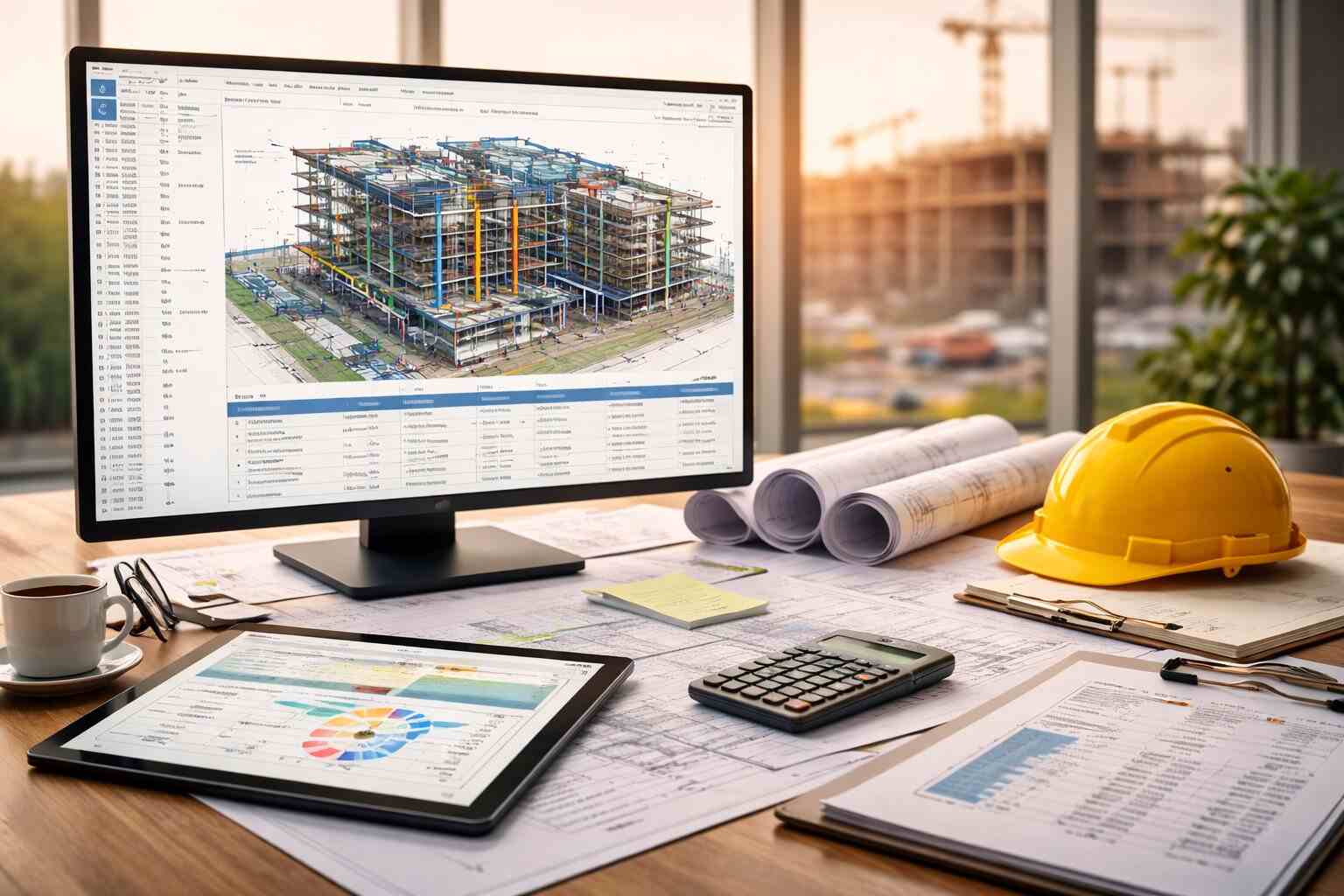
Cost Planning That Keeps Pace with Design Using BIM Tools
Budgets that path layout usually arrive past due. Decisions made on the drawing board emerge as locked in before their actual value implications are understood. When value-making plans starts offevolved, only after designs are almost complete, groups scramble to reconcile rationale with cash. A version-driven approach flips that script. By the use of early, measurable model facts, teams hold budgets aligned with design alternatives as they happen. The payoff is fewer rushed alternate orders, clearer procurement, and a smoother direction from concept to construction.
BIM Modeling Services offer the controlled geometry and metadata that make early price planning possible. They deliver measurable content material no longer just pretty visuals. With measured portions feeding into fee workflows, estimating will become a non-stop hobby, now not a one-off workout. That continuity is the center concept: the budget has to be a dwelling mirrored image of the layout, no longer a static snapshot.
What a forecasting-ready model looks like
Not every 3D file is ready for cost planning. To be useful, a model must contain measurable content and a consistent structure.
Key attributes include:
- Naming conventions aligned with the scopes of work.
- Export formats and units that preserve quantities.
- Basic attributes: material type, finish level, assembly composition.
- Discipline separation so takeoffs align with trade boundaries.
When BIM Modeling Services produce models with these rules in place, quantity extraction becomes reliable. Estimators spend less time cleaning data and more time applying practical judgment. Reliable quantities mean cost planning can start earlier and with greater trust.
Early quantities lead to better design choices.
Once the model carries consistent measurable elements, teams can test alternatives before procurement windows close. This is where cost planning stops being defensive and becomes proactive.
Typical analyses that early model data enables:
- Side-by-side comparison of façade systems by measurable area.
- Structural option testing based on member sizes and weights.
- Mechanical routing studies that quantify runs, fittings, and penetrations.
- Long-run utility assessments that identify high-cost corridors early.
These things matter because they let designers and owners evaluate trade-offs with numbers, not just instincts. When estimators and designers speak the same language geometry plus counts decision cycles compress, and fewer items get reworked later.
Turning model counts into buildable budgets.
Quantities alone are incomplete. They must be translated into labor, equipment, material, and sequencing logic. That translation is the role of Construction Estimating Services.
Estimators add:
- Local unit prices that reflect current market conditions.
- Productivity adjustments driven by site access and staging constraints.
- Risk allowances for constructability unknowns.
- Logistical logic for deliveries, temporary works, and phasing.
This layer of interpretation turns model output into budgets that reflect how crews will actually execute work. Estimating becomes the bridge between what the model says and what the field needs.
Where structured cost tools plug in
Some projects require formal, auditable cost breakdowns. Lenders, owners, and insurance reviewers often expect a standardized presentation. Xactimate Estimating Services are useful in those contexts because they provide recognized line items, locality-aware pricing, and a familiar format for review.
Using Xactimate alongside a model lets teams map modeled quantities into a structured cost framework:
- Standard item codes simplify comparisons and reviews.
- Local modifiers ensure pricing reflects regional markets.
- Clear documentation aids claims, audits, and approvals.
In restoration and insurance work, in particular, this structure can speed approvals and reduce back-and-forth with reviewers.
A repeatable workflow that keeps budgets current
A model is only as useful as the process that updates it and the estimate that follows. Teams that keep pace with design define a simple, repeatable loop and run it at major milestones.
A practical workflow:
- Kickoff: agree on naming, units, and required metadata.
- Model: BIM produces milestone models.
- Extract: export quantities in a shared format.
- Map: link model labels to cost codes in a mapping file.
- Estimate: Construction estimating applies current rates and logic.
- Structure: Use Xactimate Estimating Services where formal reporting is required.
- Validate: reconcile with procurement and the field before orders.
Run this loop at each design milestone, and the budget becomes a living artifact that evolves with the design not after it.
Small habits that reduce rework
Big software buys won’t solve inconsistent workflows. Small, repeatable practices do.
Adopt these habits:
- Publish and enforce a lightweight modeling guide at kickoff.
- Use shared templates and consistent naming across disciplines.
- Version-control mapping spreadsheets so changes are traceable.
- Run early export tests to confirm units and counts.
- Hold short alignment meetings between modelers and estimators at milestone handoffs.
These require discipline, not budget. Over several projects, the reduction in cleanup and rework pays back quickly.
What teams notice first
When design and cost run in parallel, the early wins are practical.
Teams typically observe:
- Faster estimating cycles because data is available and reliable.
- Fewer late-stage changes that cause budget shocks.
- Procurement that more closely matches design intent.
- Clearer conversations between designers, estimators, and field teams.
Those outcomes are everyday, operational wins — the ones that keep projects on track.
People still matter
Tools and structured platforms are enablers, not replacements. Construction Estimating Services provide local judgment and production logic that software alone cannot deliver. BIM coordinators keep the model accurate and consistent. Where formal reporting is required, Xactimate Estimating Services provides a review-friendly format. As we often emphasize at The Tourists World, the combination of clear models, experienced estimators, and structured cost frameworks is what makes budgets truly trustworthy.
Models provide facts. People apply judgment. Together, they create cost plans that keep pace with design and stand up under scrutiny.
FAQs
- When should estimating start in a model-driven project?
Estimating should begin once the model carries consistent geometry and naming conventions. Early involvement helps align design choices with cost implications. - How do Xactimate services fit with a BIM-led workflow?
Xactimate Estimating Services are useful when a standardized, auditable cost format is required, such as in restoration work or formal owner reviews. They map model quantities into recognized line items and locality-adjusted pricing. - Can small teams benefit from this approach?
Yes. Even simplified models and a compact cost library improve quantity accuracy and reduce disputes for smaller firms. - What is the first practical step to better cost alignment?
Agree on a simple modeling guide and a mapping spreadsheet at kickoff. Run an early export test to expose mismatches before they turn into costly rework.