Al Awir Dubai: Location, Things to Do, Transport and Visitor Guide
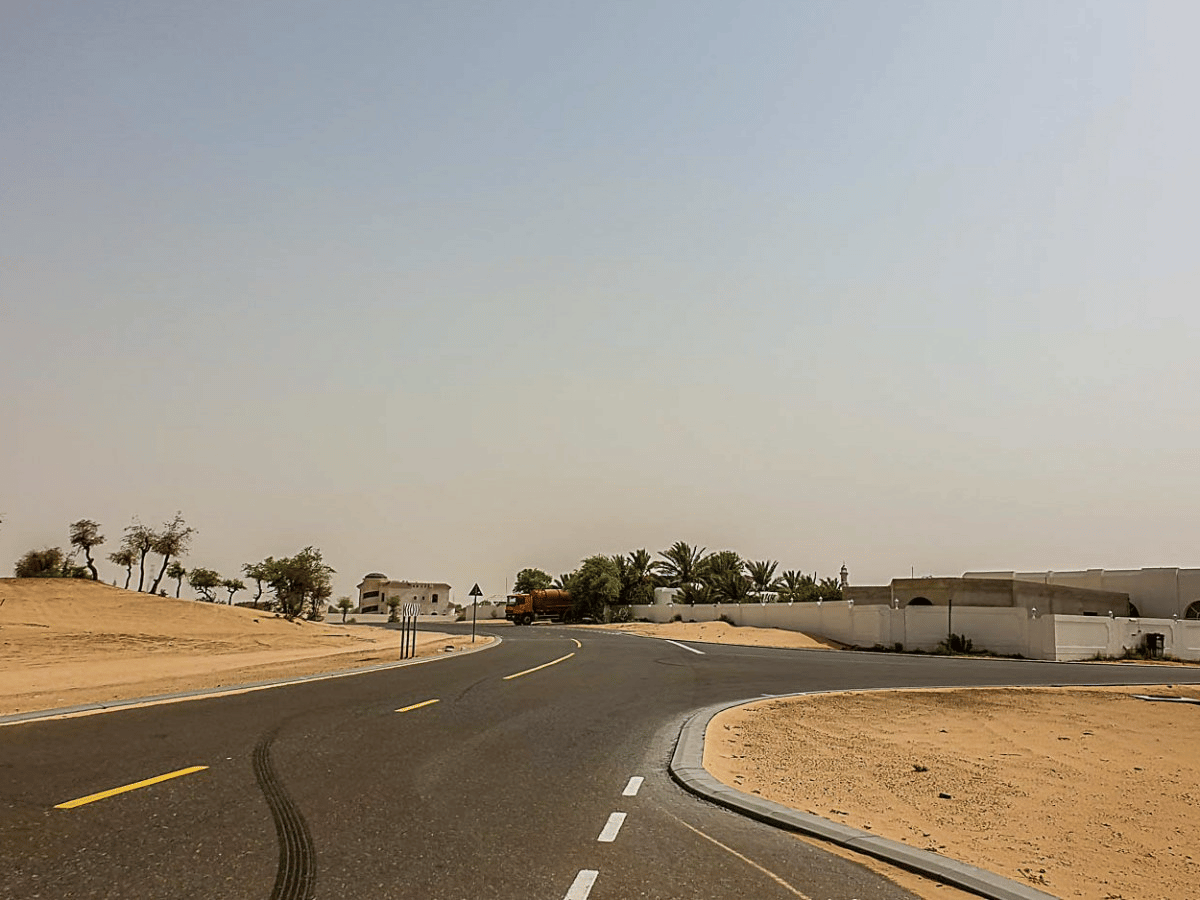
Al Awir, also written as Al Aweer, is a large area on the eastern outskirts of Dubai. It is known for its agricultural background, open desert surroundings, local markets, farms and access to major roads such as Emirates Road (E611) and Dubai–Hatta Road (E44). Unlike Downtown Dubai or Dubai Marina, Al Awir is primarily a local residential, agricultural and service area rather than a conventional tourist district.
For visitors, the area is mainly relevant because of its desert surroundings, proximity to outdoor attractions, local food outlets, parks and its connection to destinations farther east. It is also useful to understand the difference between Al Awir First and Al Awir Second, which are officially listed as separate Dubai communities.
What Is Al Awir?
Al Awir is a community in the northeastern part of Dubai, approximately 35 kilometres from the city centre. Its surroundings historically developed around agriculture and camel breeding, and the area still has a noticeably less urban character than central Dubai.
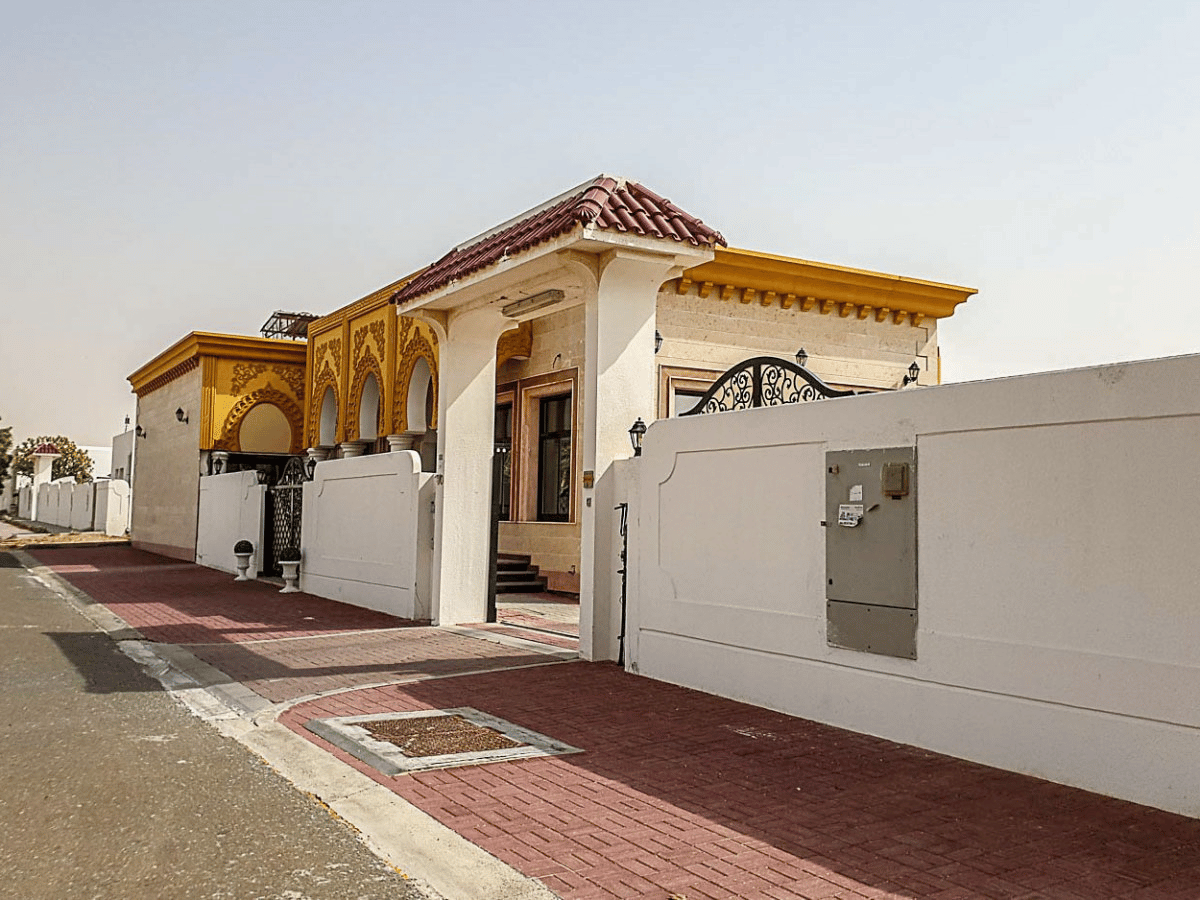
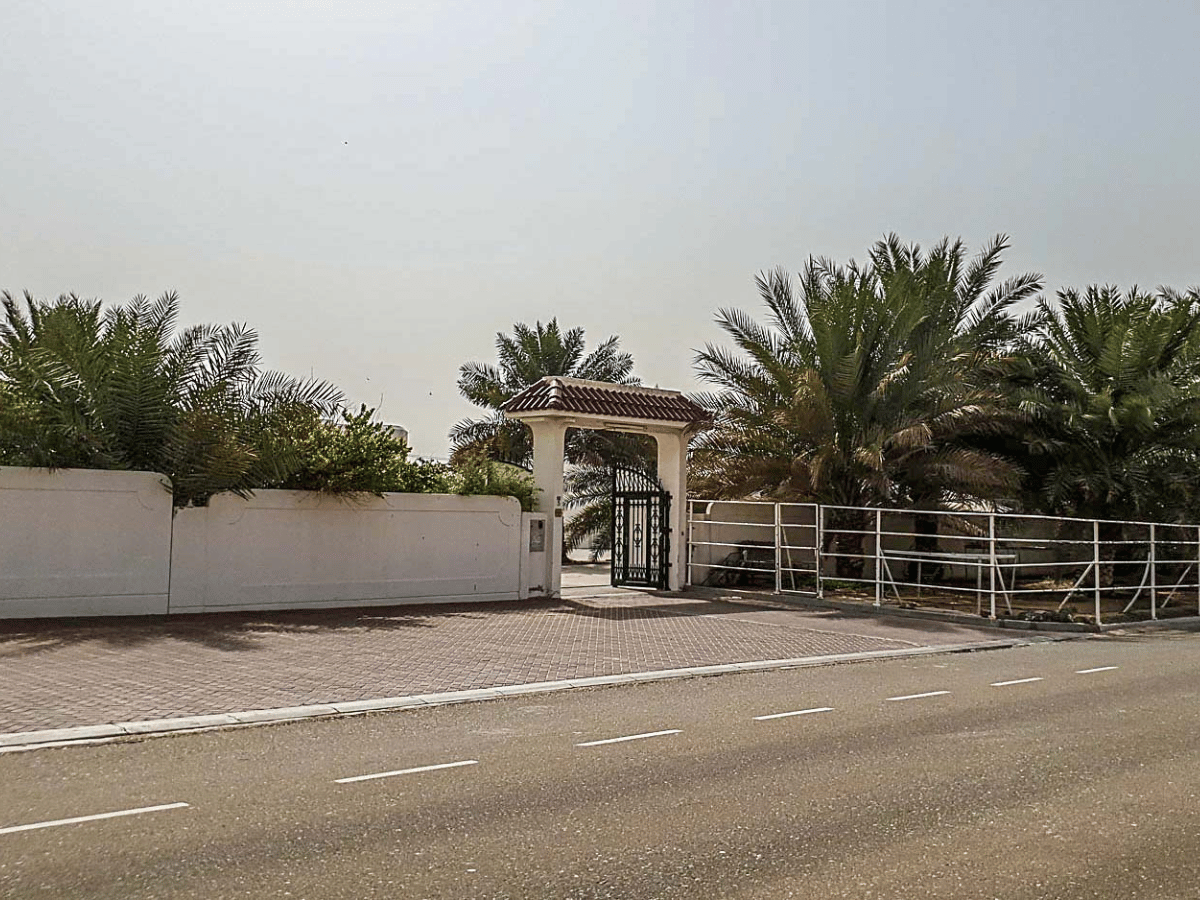
The wider area includes residential properties, farms, open land, local businesses and community facilities. Al Awir is close to Ras Al Khor, Al Khawaneej, Al Warqaa and Al Warsan, while Dubai Silicon Oasis, Academic City and International City are also within the wider surrounding area.
Why Is Al Awir Known?
Al Awir is best known for its agricultural heritage, desert environment and association with the Al Awir Fruit and Vegetable Market. The market is a major wholesale produce centre and is commonly associated with Al Awir, although the market itself is in the Ras Al Khor Industrial Area.
The area is also used as a base for desert activities and provides road access toward destinations such as Fossil Rock and Hatta. Its open surroundings make it considerably different from Dubai’s densely built central districts.
Al Awir First and Second
Al Awir First and Al Awir Second are separate administrative communities within Dubai’s northeastern sector. Dubai Statistics Centre data lists community codes 711 and 721 for Al Awir First and Al Awir Second respectively.
For visitors, the distinction matters when using maps, arranging transport or giving a precise address. Al Awir 1 and Al Awir 2 are not separate tourist attractions; they are locality names used within the wider Al Awir area. Some parks, businesses and residential properties use these names in their addresses.
Getting to Al Awir
Driving is generally the most practical way to reach Al Awir. The community has direct connections to Emirates Road (E611) and Dubai–Hatta Road (E44), making private cars and taxis useful for reaching different parts of the area.
Public transport is available but more limited than in central Dubai. Bayut’s current area guide identifies bus 11A as the main bus service serving Al Awir, with stops including Awir Masjid and Awir Boys School. The nearest Dubai Metro access is considerably farther away, with Bayut estimating around 20 minutes by car to the closest station.
If your destination is outside the main residential section, check the exact map location before travelling. Al Awir covers a large area, and walking between different points is generally impractical.
What Can Visitors Do?
Al Awir is more suitable for visitors interested in desert surroundings and local areas than for a conventional sightseeing day. Desert safari activities operate around the wider Al Awir area, while the roads toward Hatta provide access to outdoor destinations farther east.
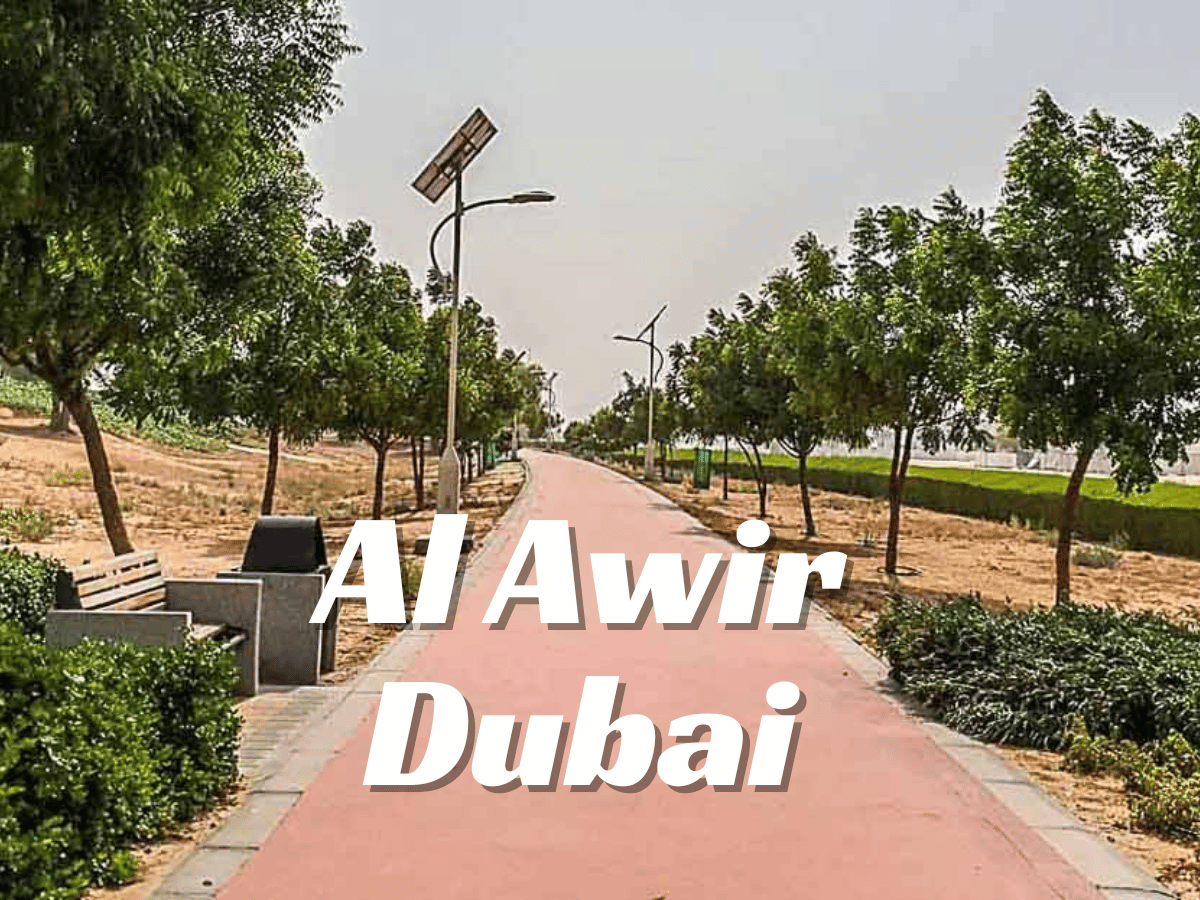
Outdoor spaces within or near the area include Al Awir Second Park, Al Nakheel Park and Al Naboodah football ground. Dubai Palm Park is another local recreational option, while Mushrif Park is accessible by road from Al Awir.
For families, nearby Mushrif Park can be more suitable for a planned recreational visit than the undeveloped parts of Al Awir itself. Visitors looking specifically for desert activities should use established operators and follow their safety instructions rather than entering unfamiliar desert tracks independently.
Is the Market Worth Visiting?
The Al Awir Fruit and Vegetable Market is one of the area’s best-known landmarks and is particularly relevant to visitors interested in Dubai’s wholesale food trade. It is not comparable with a traditional tourist souk: the focus is fresh produce, wholesale activity and commercial trading.
Early morning is generally the most useful period for seeing the market at its busiest, although exact trading hours can vary between sections and businesses. Visitors should confirm current timings before making a dedicated trip.
Remember that the market is associated with Ras Al Khor Industrial Area, so entering “Al Awir” alone into a navigation app may not take you to the correct market entrance.
When Should You Go?
The cooler months from roughly November to March are generally more comfortable for outdoor activities in Al Awir. Morning and late afternoon are preferable during this period if you plan to spend time outdoors.
During Dubai’s hotter months, desert and open-land activities become less comfortable during the middle of the day. If visiting for a market or local business, timing should be based on that destination’s current operating hours rather than general tourist schedules.
Is Al Awir Worth Visiting?
Al Awir is worth visiting if you have a specific reason to go, such as a desert activity, local market visit, nearby park, farm-related destination or onward trip toward Hatta. It is not the best choice for someone looking for Dubai’s major landmarks, beaches, museums or shopping malls.
Its value comes from its local character, open surroundings and position away from central Dubai. Visitors should plan a specific destination rather than expect a concentrated tourist district.
Nearby Places to Add
Several established destinations are within reasonable driving distance of Al Awir. Dragon Mart in International City is one of the closest major shopping and dining areas, while Mushrif Park provides family-oriented outdoor facilities.
For a longer drive, Dubai–Hatta Road leads toward Fossil Rock and Hatta. These destinations require separate planning and should not be treated as attractions located inside Al Awir itself.
Practical Tips Before Going
- Check the exact destination on a map because Al Awir is geographically large.
- Use a car or taxi when visiting multiple locations in the area.
- Do not assume the Al Awir Fruit and Vegetable Market is in the residential core.
- Avoid midday outdoor activities during the hottest months.
- Wear suitable clothing and footwear for desert or outdoor locations.
- For desert activities, use established facilities and follow safety instructions.
- Confirm business or attraction timings before travelling, especially on weekends and public holidays.
- If travelling by bus, check the current RTA route and stop information before departure.
People Also Ask – Top 5 Questions
Where is Al Awir in Dubai?
Al Awir is on the eastern outskirts of Dubai, near Emirates Road E611 and Dubai–Hatta Road E44. It is close to Ras Al Khor, Al Khawaneej, Al Warqaa and Al Warsan.
Is Al Awir the same as Al Aweer?
Yes. Al Awir and Al Aweer are common English spellings of the same Arabic place name. You may see either spelling on maps, business listings and area guides.
Is there a metro station in Al Awir?
There is no Dubai Metro station within Al Awir. The area is served by bus connections, including route 11A, while the nearest Metro access requires a further road journey.
What is Al Awir famous for?
Al Awir is particularly known for its agricultural history, farms, desert surroundings and the Al Awir Fruit and Vegetable Market. It is also associated with desert activities and routes toward Hatta.
Is there an entry fee for Al Awir?
No. Al Awir is a Dubai community, so there is no general entrance ticket. Individual attractions, parks, tours or organised desert activities may have their own charges and rules.