
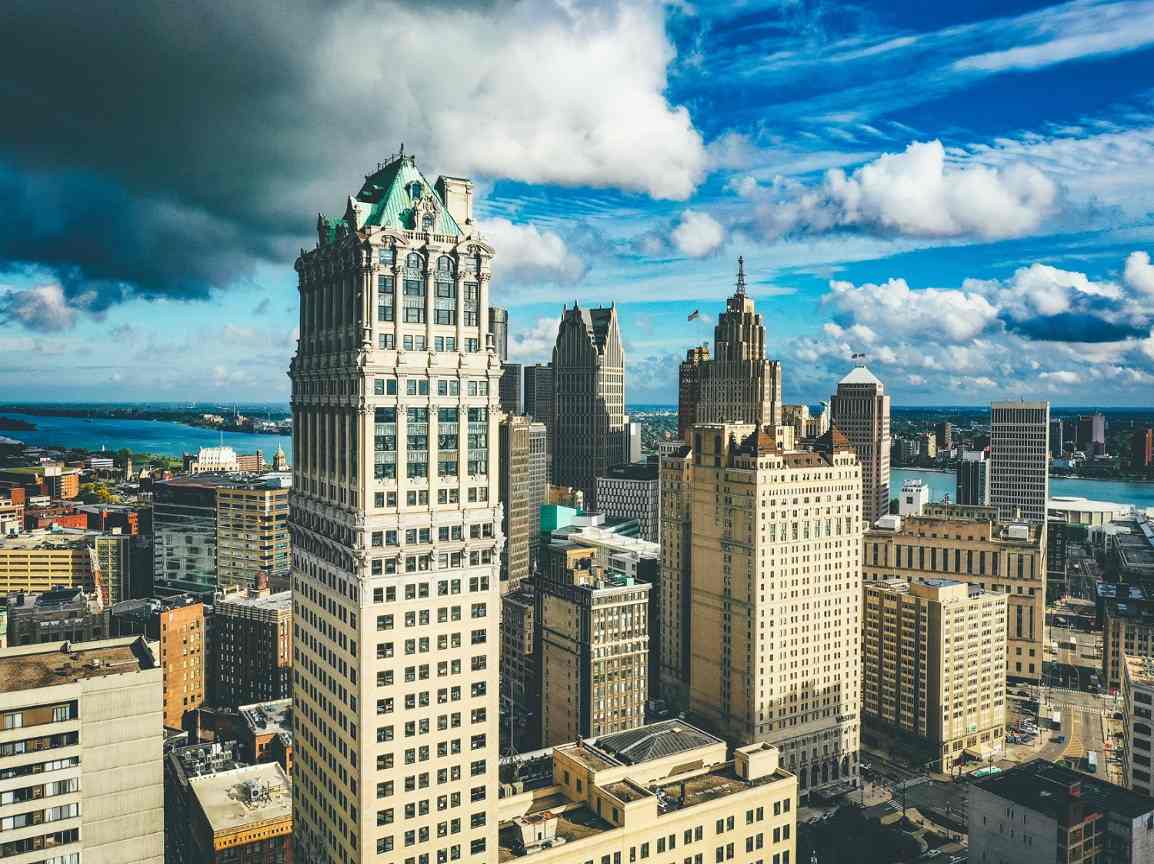
Budget Travel Tips Expensive Cities USA: Save Money in Big Cities
Visiting some of the most famous cities in the United States doesn’t mean we have to empty our wallets. In this post, we share budget travel tips expensive cities USA style practical advice and real tactics we use to save money in pricey urban destinations like New York City, San Francisco, and Boston. With simple planning and smart choices, we show how to enjoy top U.S. travel experiences without overspending.
Why Traveling to Expensive Cities Can Still Be Affordable
Many U.S. cities are known for being expensive, especially when it comes to hotels, food, and attractions. New York City, for example, is one of the priciest popular tourist destinations, with high costs for hotels, meals, and transportation.
Yet with some planning and insider strategies, we’ve found ways to cut costs and still enjoy these vibrant cities. This is where thoogt comes in a simple way of thinking that helps travelers make smarter, more intentional choices without losing the joy of the journey. Whether it’s choosing the right time to visit, finding affordable food options, or using local transit, every small saving adds up on a trip.
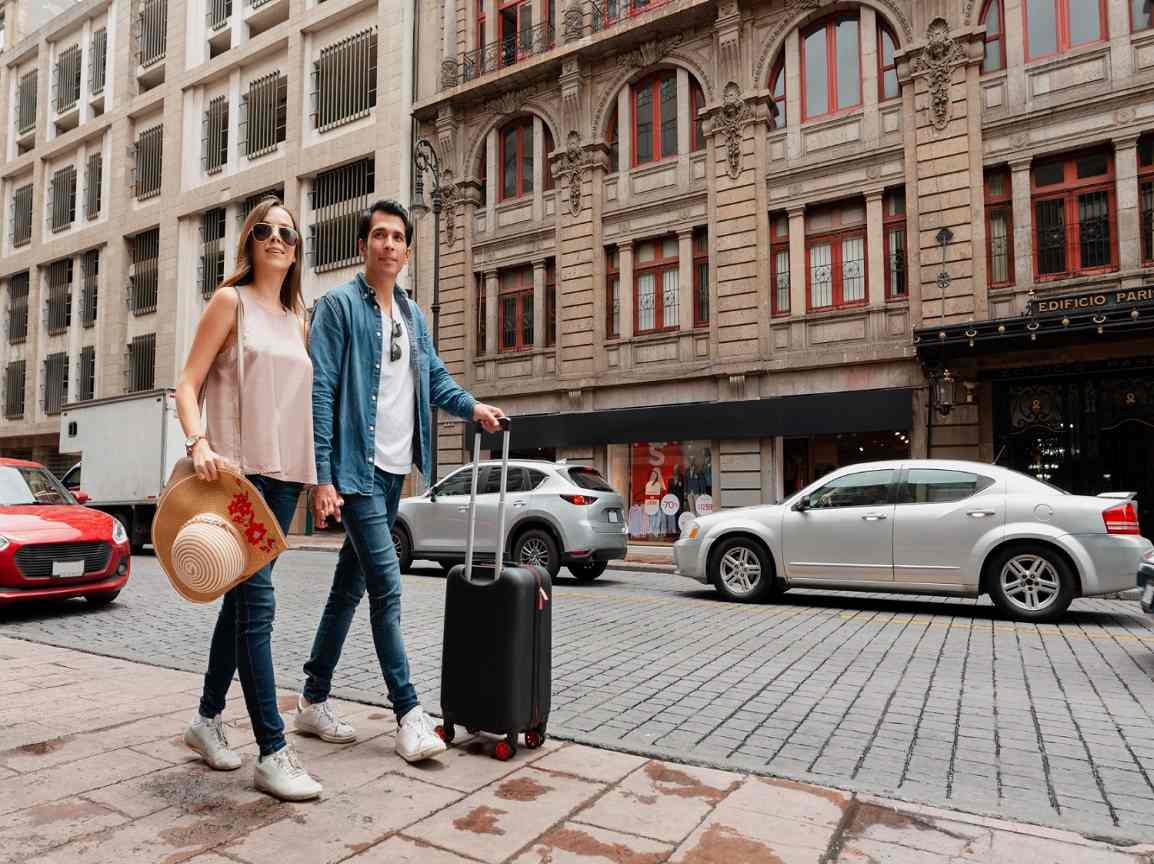
Plan Ahead and Travel Smart
When we visit expensive cities, planning is one of the first things we do. Early booking of flights and accommodations often leads to much better prices than waiting until the last minute, especially when we follow a practical checklist like this Europe trip packing guide and travel tips to avoid last-minute purchases. Tools like flight comparison websites allow us to find the best deals.
Travel off‑peak or shoulder seasons planning a trip outside of the busiest months usually means cheaper hotels and flights. Most U.S. cities have peak seasons in summer and during big holidays, so traveling in spring or fall can significantly reduce costs.
Another smart move is being flexible with travel dates. Mid‑week flights and stays are often cheaper than weekends, helping us stretch our budget further.
Save Big on Accommodation
Hotels in big cities are often the largest travel expense, especially in cities like New York, San Francisco, and Boston. To save:
-
Stay in hostels or budget motels — these can be far cheaper than traditional hotels and often have social common areas or kitchen facilities.
-
Book Airbnbs or vacation rentals with kitchens so you can cook some meals instead of eating out every time.
-
Check nearby neighborhoods — staying just outside the city center can drastically reduce nightly rates.
We also use loyalty programs and reward points on hotels and airlines to lower costs or get free nights, especially at places like England Boston Hotel, where rewards can quickly turn into real savings on longer stays.

Eat Like a Local (for Less!)
Food in expensive cities can quickly drain a travel budget, but it doesn’t have to. Instead of only dining in sit‑down restaurants:
-
Visit food trucks and local markets where meals are often cheaper and just as tasty. Many big cities, including New York and Los Angeles, have thriving street food scenes.
-
Cook some meals in your accommodations – grocery stores in the U.S. have affordable produce, snacks, and essentials.
-
Eat lunch specials or happy hour deals at restaurants. These are usually cheaper than dinner menus and still let us sample local flavors.
-
Avoid tourist-area restaurants – meals near major attractions can be much more expensive than those in local neighborhoods.
Walking around to find where locals eat not only saves money but also gives us a taste of everyday city life.
Use Free and Cheap Activities
Expensive cities speak for themselves with world‑class attractions, but many of the best experiences are free or low-cost:
-
Free museums and attractions – in Washington, D.C., many Smithsonian museums are free year-round.
-
Self‑guided walking tours – exploring neighborhoods like Boston’s Freedom Trail or San Francisco’s Chinatown on foot is both budget-friendly and rewarding.
-
Parks, public art, and cultural events – major cities often have parks, festivals, and events that cost nothing to enjoy.
We always research ahead to find free days or discounted admission options for popular museums and sites.
Transportation Without the High Price Tag
Getting around expensive cities doesn’t need to be costly:
-
Use public transport – subways, buses, and trams usually offer daily or weekly passes that significantly cut costs compared to rideshares or taxis.
-
Walk or bike if possible – many cities are walkable or have affordable bike rentals for short distances.
-
Look for city travel passes that bundle transport with entry discounts to top sights.
Public transit not only saves money but gives us a more authentic feel for city life.
Shop Smart and Avoid Tourist Traps
When we’re tempted to shop for souvenirs or gifts, we often find better prices at local markets or thrift stores instead of tourist shops. Not only are these items often cheaper, but they’re more authentic and unique.
Buying heavier items online and having them delivered home can also be cheaper than carrying them during your trip.

Final Thoughts on Budget Travel Tips Expensive Cities USA
Traveling to expensive cities in the USA doesn’t have to be out of reach. With thoughtful planning, choosing the right time to visit, eating smart, and leaning on local experiences, we can enjoy these destinations without overspending. These budget travel tips for expensive cities in the USA help us see more for less and make our trips both fun and affordable, just as we often share at The Tourists World.
Whether it’s your first big U.S. city escape or your tenth, there’s always a way to save and still make amazing memories along the way.
FAQs
1. How can we save money on hotels in expensive U.S. cities?
Book early, stay in hostels, budget motels, or Airbnbs, and look just outside the city center for lower prices.
2. What’s the best way to eat cheaply in cities like NYC or San Francisco?
Eat at food trucks, local markets, lunch specials, and cook meals in your accommodation when possible.
3. Are there free things to do in expensive U.S. cities?
Yes, many cities offer free museums, parks, walking tours, and cultural events that cost nothing or very little.
4. How can we reduce transport costs in big cities?
Use public transit passes, walk or bike for short distances, and avoid expensive rideshares during peak hours.
5. Is traveling to an expensive city worth it on a budget?
Absolutely with planning and the right strategies, expensive cities can be explored affordably and enjoyed just as much as budget destinations.