
Dagestan: A Complete Travel Guide to Russia’s Mountain Land
Dagestan is one of the most fascinating yet overlooked regions in the world. Tucked between the rugged Caucasus Mountains and the Caspian Sea, this republic of Russia offers a blend of ancient history, rich culture, dramatic nature, and unique experiences that few travellers know about. Whether you’re an adventurous explorer, history lover, or nature enthusiast, Dagestan has something unforgettable waiting for you.
In this guide, we’ll share everything you need to know about visiting Dagestan from must‑see sights to travel tips, cultural insights, and practical planning advice.
Where Is Dagestan and Why It’s Special
Dagestan is a republic in the Russian Federation, located in the North Caucasus region along the western shore of the Caspian Sea. It shares borders with Azerbaijan and Georgia to the south and sits at the crossroads of Europe and Asia. The name “Dagestan” means “land of mountains” in the Turkic languages, and its landscape truly lives up to that soaring peaks, deep gorges, vast plateaus, and endless valleys make it a dream for nature lovers.
What makes Dagestan truly unique is its ethnic and linguistic diversity. More than 30 distinct ethnic groups live here, including Avars, Dargins, Kumyks, Lezgins, Laks, and Tabasarans, each with its own language, customs, and traditions. This rich cultural mosaic adds depth to every visit and creates an experience that feels very different from most of Russia.
A Brief Look at Dagestan’s History
Dagestan’s history stretches back thousands of years. Ancient fortresses and settlements dot the landscape, and cultures from Persia, Arabia, and the Caucasus have left their marks. One of the oldest cities in the world, Derbent, is in Dagestan. Here, the ancient fortress walls once protected the passage between the Caspian Sea and the mountains, earning the region strategic importance for empires throughout history.
Today, you can still see remnants of these ancient civilizations in the fortresses, old mosques, and stone towns that sit perched on hillsides or tucked into valleys.
Best Places to Visit in Dagestan
1. Derbent Ancient City by the Sea
Derbent is a must‑visit destination in Dagestan. Often called one of the oldest continuously inhabited cities on Earth, it sits where the mountains meet the Caspian Sea. The city’s most iconic attraction is the Naryn‑Kala Fortress, a massive citadel that guarded the “Caspian Gates” for centuries. The old town’s narrow streets, ancient stone walls, and historic buildings create an atmosphere that feels frozen in time.
Inside Derbent’s old walls, you’ll also find the Juma Mosque, one of the oldest mosques in Russia, and a reminder of the city’s long Islamic heritage.
2. Sarykum Sand Dune A Desert in the Mountains
One of Dagestan’s most striking natural attractions is the Sarykum Sand Dune. This massive dune rises from the plains and looks almost like a small desert in the middle of the Caucasus. It’s one of the largest sand dunes in Europe and offers a dramatic contrast to the mountain scenery that surrounds it.
The golden sands, unique plant life, and amazing views make it a great place for photos, picnics, or simply experiencing something very different from typical mountain landscapes.
3. Khunzakh Plateau and Tobot Waterfall
For nature lovers, the Khunzakh Plateau is hard to beat. High above the valleys, this plateau offers expansive views, cool air, and dramatic cliffs. Nearby is the Tobot Waterfall, which becomes especially powerful in spring and early summer when snowmelt feeds its streams. Many travelers compare its beauty to Nijagara Waterfall, especially for its sheer scale and roaring cascades. Combine this with walks around the plateau, and you’ve got a perfect day immersed in nature.
4. Chokh and Gunib Traditional Mountain Villages
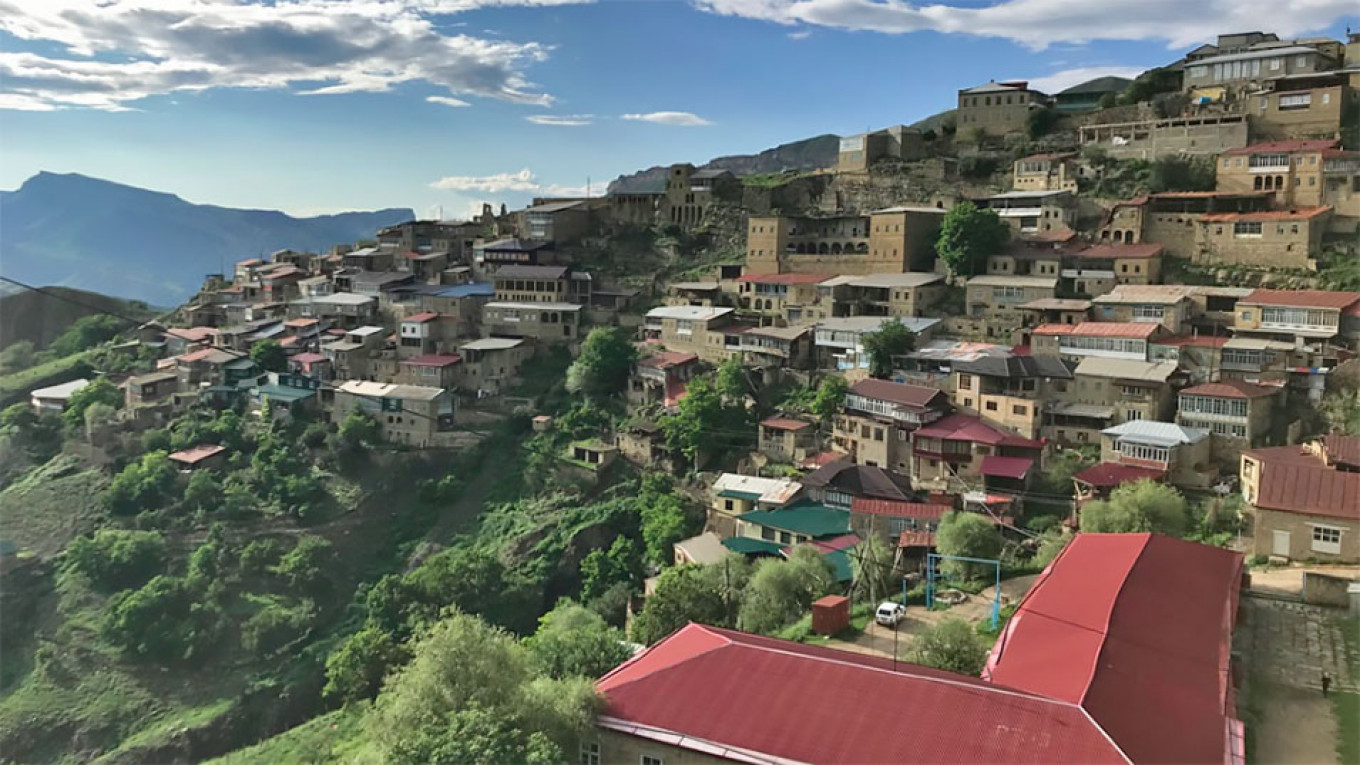
Visiting the mountain villages around Dagestan brings you closer to traditional life. Chokh is a picturesque settlement with stone streets and stunning views across the valleys. Nearby Gunib offers more dramatic scenery and historical significance, it was the site of important battles in the 19th century and has a fortress that remains part of the region’s cultural story.
5. Salta Underground Waterfall and Karadakh Gorge
If you love adventure and nature, the Salta Underground Waterfall and Karadakh Gorge are hidden gems in Dagestan. The waterfall flows through narrow rock formations, creating a unique and peaceful atmosphere, while the gorge’s sheer stone walls make you feel like you’ve stepped into another world.
Culture, Craft, and Local Life
Dagestan’s culture is as varied as its landscape. Mountain communities still keep many old traditions alive, and crafts such as Kubachi silverwork intricate metalwork created by master artisans in the village of Kubachi showcase the region’s artistic heritage.
In local markets and villages, you’ll find handmade items, wood inlays, and other crafts reflecting centuries of skill and cultural expression. Meeting local people — often warm and welcoming — adds another layer to the travel experience here.
Practical Tips for Travelers
-
Language: Russian is widely spoken, and many locals also speak native languages, but English is less common. Learning a few basic Russian phrases can make interactions easier.
-
Dress and Respect: Dagestan is predominantly Muslim, and conservative dress is appreciated, especially in rural areas and religious sites.
-
Transport: Roads link major cities and villages, but travel times can be long due to mountainous terrain. Hiring a local driver or guide is often easier and safer for exploring remote areas.
-
Safety: Dagestan’s reputation varies, and while many travellers have positive experiences, respecting local customs and staying informed about current conditions is essential. Guides and local contacts can be very helpful.
When to Visit Dagestan
The best times to visit are late spring through early autumn, when mountain roads are open, waterfalls are at their best, and weather is pleasant for exploring outdoors. Winter can be harsh in the mountains, though coastal towns along the Caspian Sea remain milder.
Final Thought
At The Tourists World, we believe travel is about curiosity, experience, and connection not just ticking destinations off a list. Dagestan is a place where mountains, history, and culture meet in ways few travelers expect. By exploring ancient cities, hiking plateaus, visiting waterfalls, and meeting local communities, we discover a region that feels both timeless and vibrant. With some planning and an open mind, Dagestan becomes more than a destination it becomes an adventure that stays with you long after you leave.
FAQs
1. Is Dagestan safe for travelers?
Yes, many travelers visit safely each year. Staying informed, respecting local customs, and traveling with local guides in remote areas ensures a secure and enjoyable trip.
2. What is the best time to visit Dagestan?
Late spring to early autumn (May–September) is ideal. Mountain roads are open, waterfalls flow at their peak, and the weather is comfortable for outdoor exploration.
3. What languages are spoken in Dagestan?
Russian is widely spoken, and most locals also speak their native ethnic languages. English is less common, so basic Russian phrases are helpful.
4. What are the must-see places in Dagestan?
Key highlights include Derbent and its fortress, Sarykum Sand Dune, Khunzakh Plateau, Tobot Waterfall, mountain villages like Chokh and Gunib, and hidden gems such as Salta Underground Waterfall.
5. How should travelers dress in Dagestan?
Dagestan is predominantly Muslim, so modest clothing is recommended, especially when visiting villages, mosques, and religious sites. Comfortable clothing and shoes are also important for hiking and exploring mountains.