
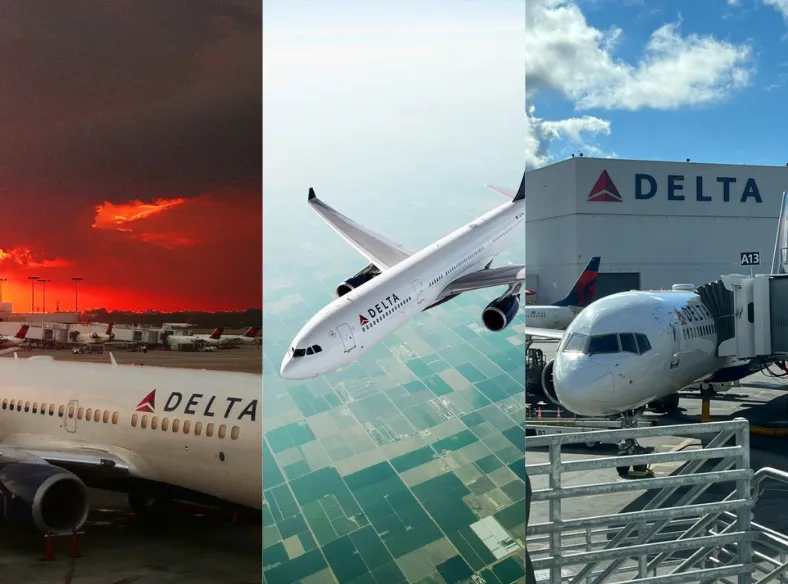
Delta Flight DL636 Diversion to LAX: What Happened and What It Means for Passengers
Delta Flight DL636 Diversion Overview
Delta Flight DL636, operated by Delta Air Lines, was scheduled to operate a long-haul route from Los Angeles (LAX) to Honolulu (HNL) when it was diverted back to Los Angeles during its journey. The incident drew attention due to the nature of the route, which is a busy transpacific service frequently used by both tourists and residents traveling between mainland USA and Hawaii.
According to initial tracking information, the aircraft turned back and landed safely at Los Angeles International Airport (LAX) instead of continuing to Honolulu. Airlive DL636 diversion report
The situation is generally referred to in aviation tracking updates as the delta dl636 diversion LAX, and it falls under a category of precautionary diversions that airlines perform for operational or technical safety reasons.
What Happened on Delta 636 (DL636)
The flight, identified as DL636, was en route over the Pacific when it changed course and returned to Los Angeles. The aircraft did not complete its scheduled arrival in Honolulu.
At the time of reporting, no emergency landing declaration was confirmed publicly, but the diversion indicates that the flight crew followed standard aviation safety procedures.
Key known points:
- Flight number: DL636 (also referred to as delta 636)
- Route: Los Angeles (LAX) → Honolulu (HNL)
- Action taken: Return/diversion to LAX
- Outcome: Safe landing at origin airport
In aviation operations, a diversion does not automatically indicate a serious emergency. It often reflects precautionary decisions based on aircraft performance, technical alerts, weather conditions, or operational requirements.
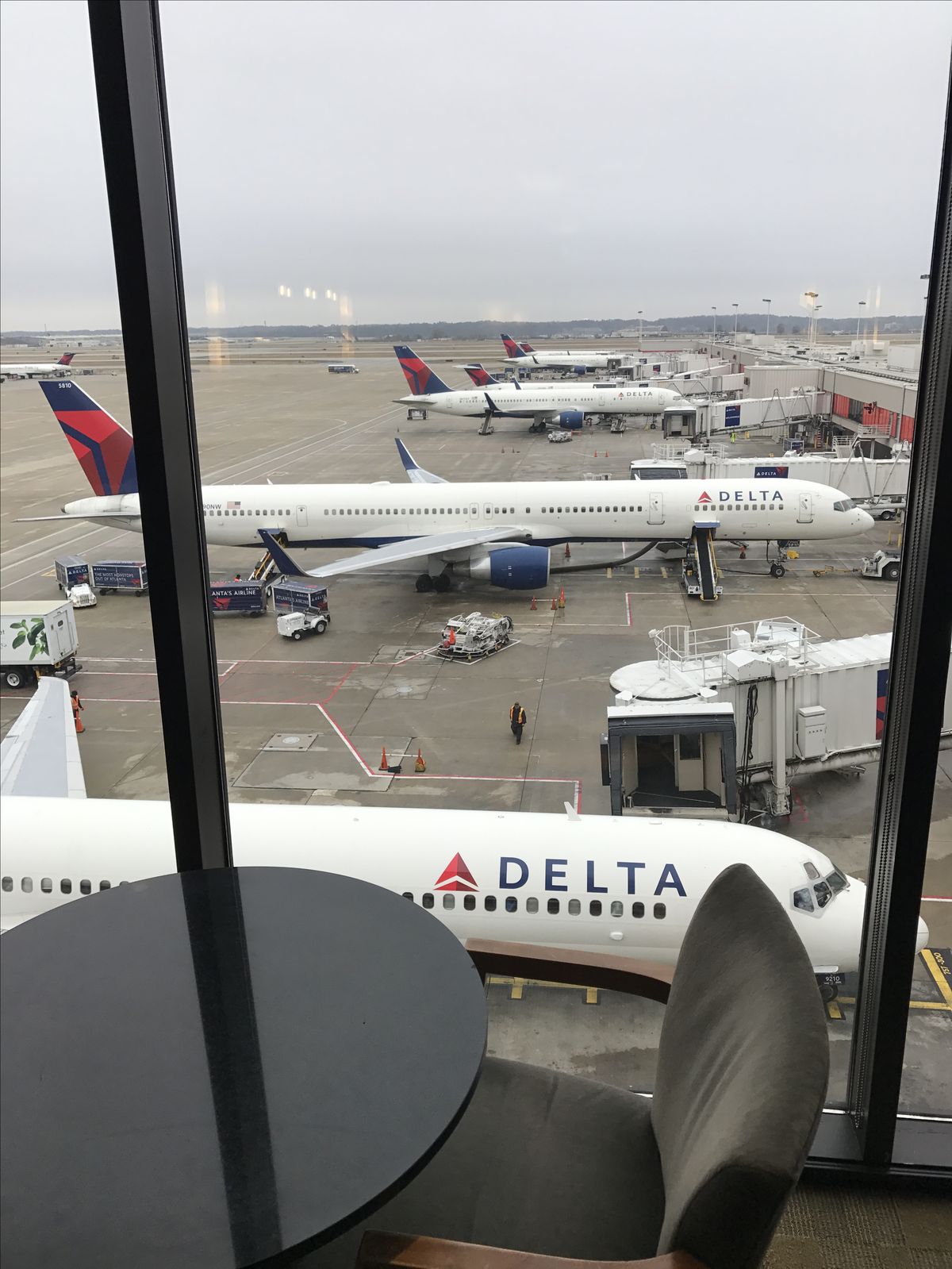
Why Flights Like DL636 Get Diverted
Airline diversions follow strict safety protocols regulated by aviation authorities. For DL636, the exact reason has not been officially confirmed in public tracking data at the time of reporting, but typical causes include:
1. Technical or Mechanical Alerts
Modern aircraft continuously transmit system data. Even minor irregularities in engine, hydraulics, or cabin pressurization systems can trigger a return.
2. Operational or Maintenance Requirements
If an issue requires immediate inspection that cannot be resolved mid-route, returning to a major hub like LAX is standard.
3. Weather Conditions
Pacific routes can experience turbulence or storm activity. Although less common on this corridor, weather rerouting is still possible.
4. Medical or Passenger Emergencies
A serious onboard medical situation can lead to diversion if immediate hospital access is required.
5. Air Traffic or Airport Constraints
Occasionally, congestion or operational restrictions at destination airports can influence diversion decisions.
In most cases, airlines prioritize returning to a well-equipped hub airport like LAX for safety and operational efficiency.
DL636 Route Context: LAX to Honolulu Corridor
The Los Angeles–Honolulu route is one of the most heavily traveled transpacific air corridors. Flights typically take around 5 to 6 hours depending on winds and aircraft type.
This route is commonly operated by wide-body aircraft designed for long overwater flights, with strict safety redundancies. Diversions on this route are relatively rare but not unheard of due to the long stretch of ocean involved.
For passengers, this route is generally considered stable, with strong airline coverage and multiple daily departures from different carriers.
What Passengers Experienced During the Diversion
Passengers on DL636 likely experienced standard airline communication procedures during the diversion process.
Typical in-flight experience includes:
- Announcement from the flight crew explaining the change in route
- Continued monitoring by cabin crew
- Possible adjustment in service timing (meal/service suspension or delay)
- Rebooking arrangements after landing
Once back at LAX, passengers are usually:
- Rebooked on the next available flight to Honolulu
- Offered accommodation or meal vouchers depending on delay duration
- Assisted by Delta ground staff for re-accommodation
Airlines like Delta Air Lines follow structured disruption management systems for such cases.
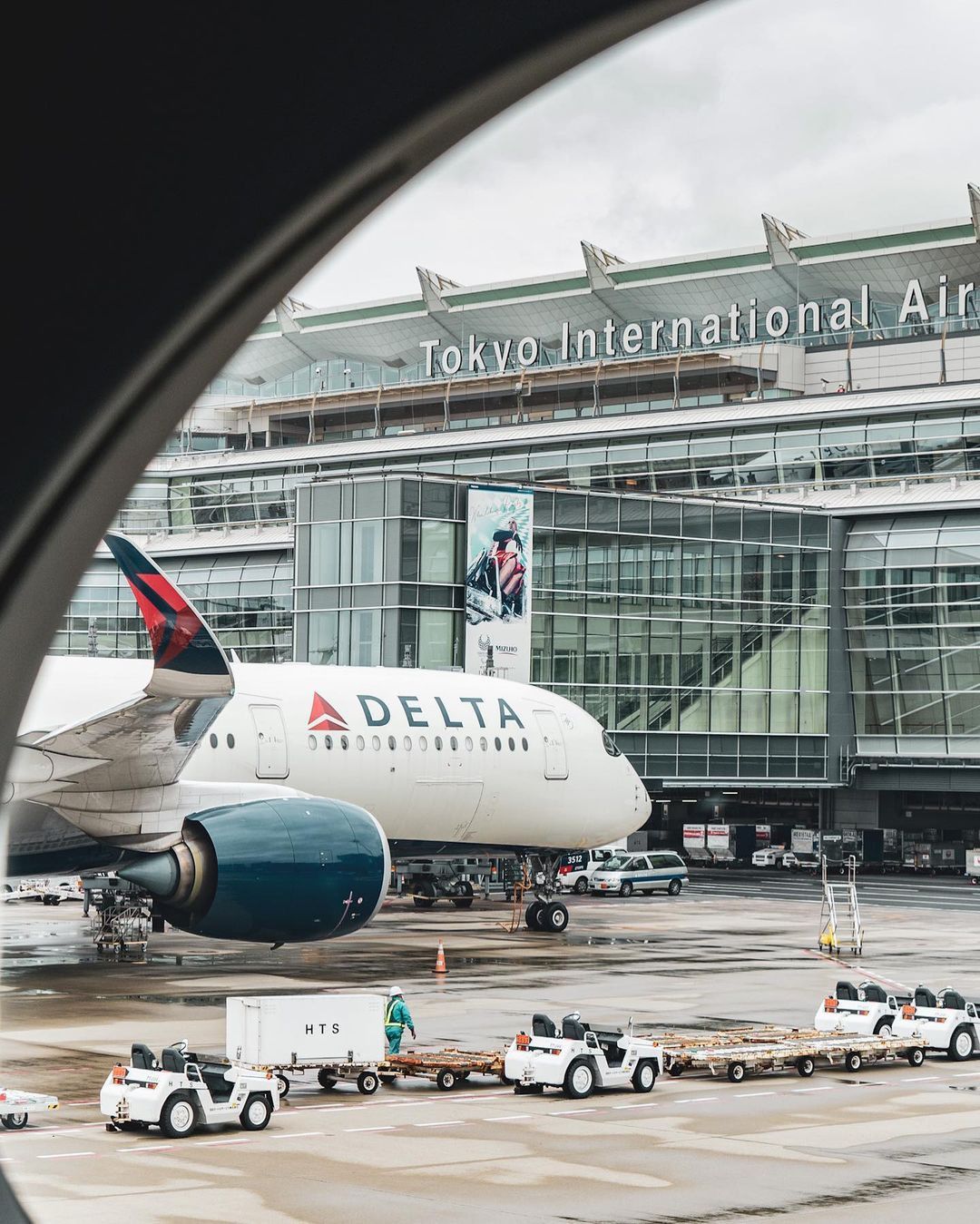
LAX Airport Response and Handling
Los Angeles International Airport (LAX) is one of the largest aviation hubs in the United States, fully equipped to handle unscheduled landings and diversions.
In cases like delta dl636 diversion LAX, airport operations typically involve:
- Priority landing clearance
- Gate allocation for unscheduled arrival
- Maintenance inspection coordination
- Passenger transfer assistance
Because LAX is a major hub for Delta Air Lines, operational handling is usually faster compared to smaller airports.
What DL636 Means in Flight Tracking Terms
The term DL636 is the airline’s official flight designator:
- DL = Delta Air Lines code
- 636 = flight number assigned to the route
When tracking systems show delta 636 diversion, it simply indicates:
- The flight deviated from its planned route
- It returned to or landed at an alternate airport (in this case LAX)
It does not automatically indicate an emergency unless explicitly stated by aviation authorities.
Passenger Rights and Airline Policy During Diversions
When a diversion occurs, airlines follow standardized policies governed by international aviation regulations.
Typical passenger protections include:
- Rebooking on the next available flight
- Hotel accommodation (if overnight delay occurs)
- Meal and transport support in extended disruptions
- Full assistance from ground staff
Delta Air Lines generally applies these policies consistently across its international and domestic network.
How to Check Status of Flights Like DL636
If you are tracking flights such as DL636 or similar long-haul services, the following methods are commonly used:
Airline Website or App
Enter flight number (DL636) for real-time updates.
Airport Departure Boards
Both LAX and Honolulu airport systems display live updates.
Flight Tracking Platforms
These show:
- Aircraft position
- Route changes
- Diversion alerts
For travelers on high-demand routes like LAX–HNL, checking status before heading to the airport is recommended.
Common Mistakes Travelers Should Avoid During Diversions
Passengers often face confusion during unexpected flight changes. Key mistakes to avoid include:
- Leaving the airport without checking rebooking options
- Assuming luggage is lost immediately
- Missing airline announcements at the gate
- Not updating contact details with airline staff
Staying in contact with airline ground staff ensures faster rebooking and smoother onward travel.
Is DL636 Diversion a Safety Concern?
Based on available tracking information, the diversion of DL636 is categorized as a precautionary operational decision rather than a confirmed emergency event.
Modern aviation safety systems are designed to prioritize:
- Passenger safety
- Aircraft integrity
- Airport operational readiness
A return to LAX indicates controlled handling and access to full maintenance facilities.
People Also Ask (FAQs)
- What happened to Delta Flight DL636?
DL636 was diverted back to Los Angeles during its route to Honolulu and landed safely at LAX.
- Why did DL636 divert to LAX?
The exact reason has not been officially confirmed, but diversions usually occur due to technical, operational, or safety-related concerns.
- Is Delta 636 a regular flight?
Yes, DL636 is a scheduled Delta Air Lines service on the Los Angeles–Honolulu route.
- Did passengers continue to Honolulu after the diversion?
Most passengers are typically rebooked on the next available flight after operational checks and scheduling adjustments.
- Is a flight diversion dangerous?
No. Diversions are precautionary safety procedures used to ensure passenger and aircraft safety.