
Desert de Atacama: Secrets of Earth’s Driest Desert
Why Desert de Atacama Is Extraordinary
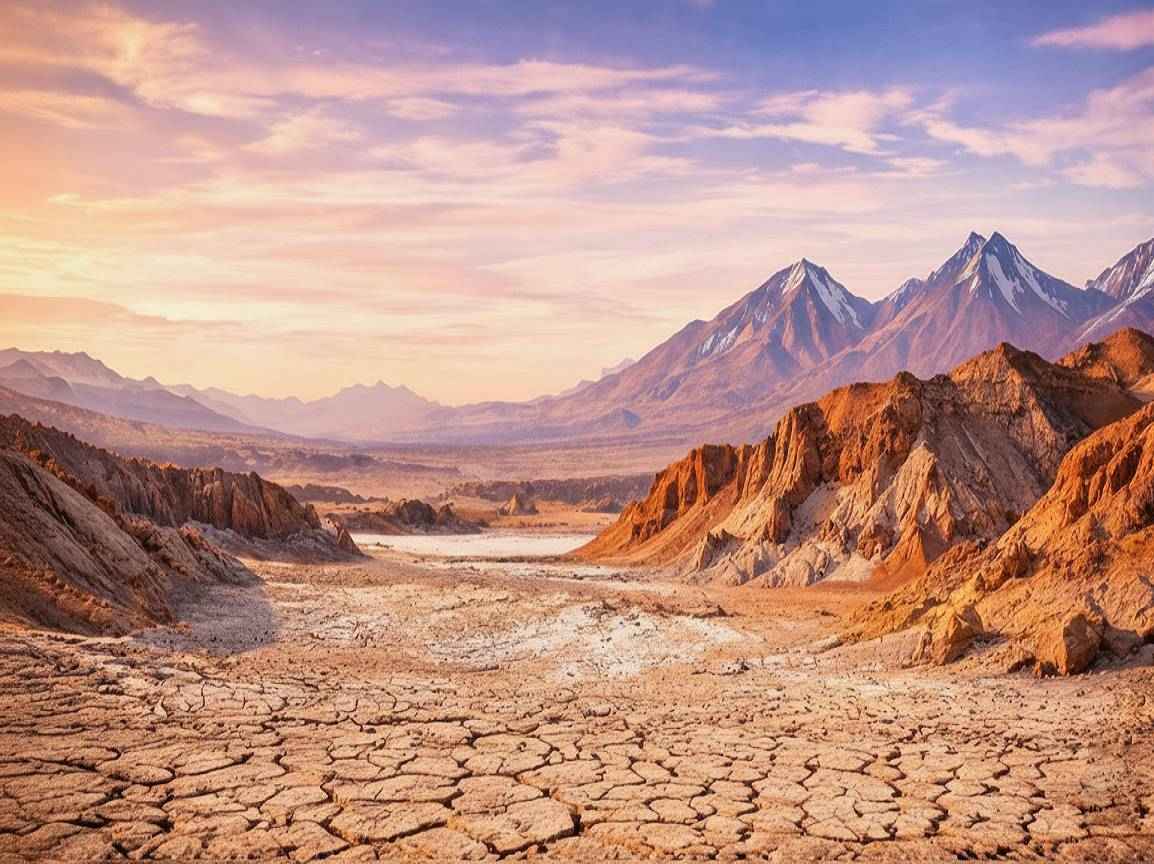
Welcome to the Desert de Atacama, a place that constantly surprises us with its extreme landscapes and otherworldly charm. Stretching across northern Chile toward the border with Peru, the Desert de Atacama is famous for being the driest non-polar desert in the world. Some weather stations here have never recorded measurable rainfall, which makes this place unlike anywhere else on the planet.
In this post, we will take you beyond the usual travel facts. We will explore what makes the Desert de Atacama so unique, why it feels almost like another planet, what we can see and experience there, and how its unusual climate and geography shape both nature and human life. Whether you are a first-time traveler or a seasoned explorer, this desert offers unforgettable sights and experiences.
What Makes Desert de Atacama Unique?
At first glance, the Desert de Atacama may seem like just a stretch of sand and rocks, but there is much more to discover beneath its surface. Its climate, geography, and wildlife combine to create a landscape that feels ancient, untouched, and strikingly beautiful.
Extremely Dry Climate
The Desert de Atacama is recognized as one of the driest places on Earth. Annual rainfall averages as little as 15 millimeters, and some parts may go decades without significant precipitation. This extreme dryness is caused by two main factors. First, the cold Humboldt Current along the Pacific coast cools the air, reducing moisture in the region. Second, the Andes Mountains create a rain-shadow effect, blocking moist air from reaching the desert. These conditions result in vast stretches of land that are almost completely arid, giving the desert its otherworldly appearance.
Unique Geological Features
The desert’s surface is full of dramatic geological formations. From salt flats to volcanoes and rock-strewn valleys, every corner tells a story of ancient forces at work. Travelers who enjoy landscapes shaped by time and erosion will find similarities with things to do in Sedona, where iconic red rock formations, scenic viewpoints, and outdoor adventures highlight nature’s raw power. These features make the Desert de Atacama an exciting destination for anyone interested in nature, geology, or photography. The combination of extreme dryness, high altitude, and varied landscapes has created conditions that are unmatched anywhere else on Earth.
Landscapes That Feel Otherworldly
While dryness defines the Desert de Atacama, it is far from a monotonous landscape. Its natural wonders are visually striking and diverse, ranging from salt flats to geysers, dunes, and mountains.
Valle de la Luna Valley of the Moon
One of the most iconic areas in the desert is Valle de la Luna, or the Valley of the Moon. Here, wind and time have shaped dramatic rock formations and rolling sand dunes. The salt crusts on the ground and layered mountains make it feel almost lunar. Walking through this valley, we often feel as though we have stepped onto another planet. The sunsets here are breathtaking, turning the landscape into shades of orange, pink, and purple.
Salar de Atacama The Great Salt Flats
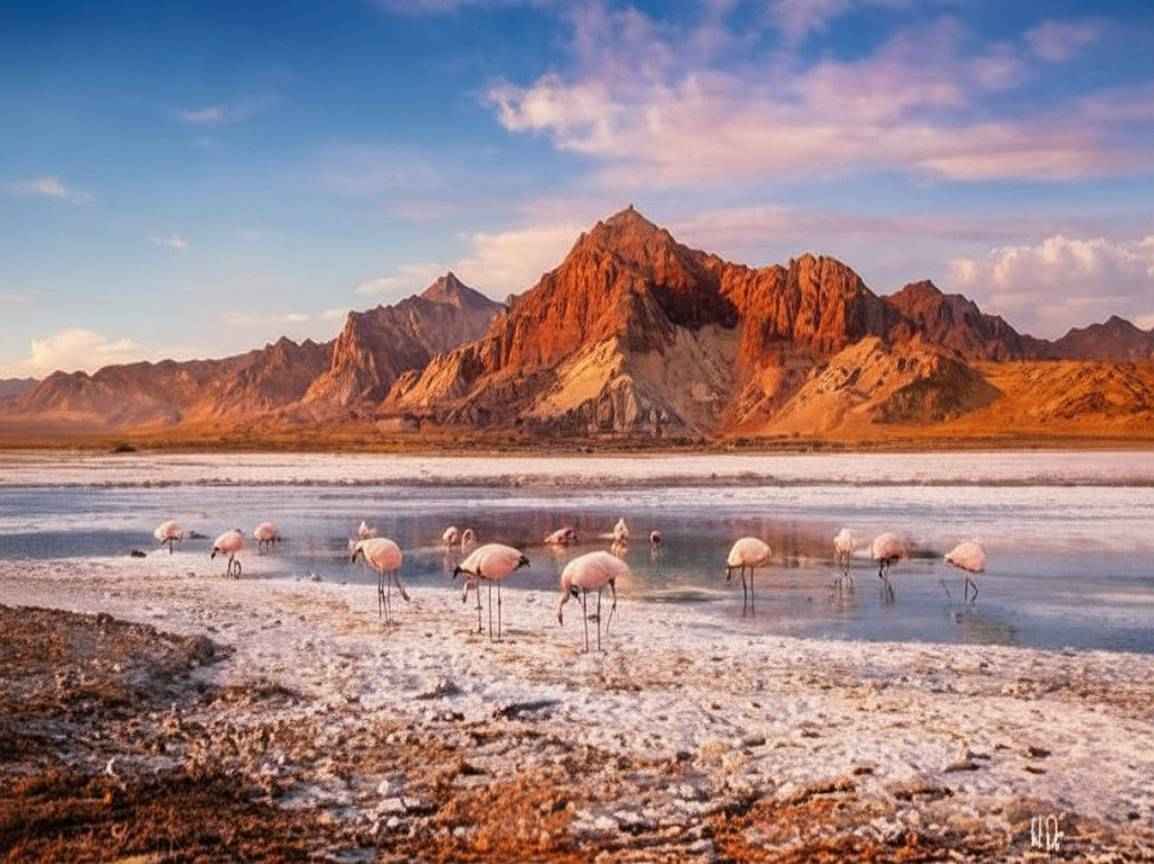
Another highlight of the desert is the Salar de Atacama, a massive salt flat stretching across a large expanse. This white, cracked surface reflects the sun in dazzling ways, creating one of the most photogenic landscapes in the world. In some shallow water patches, we can see flamingos and other rare bird species feeding, adding life to this otherwise extreme environment. The combination of stark white salt, distant mountains, and blue skies creates a sense of vastness that is both humbling and inspiring.
El Tatio Geysers and Puritama Hot Springs
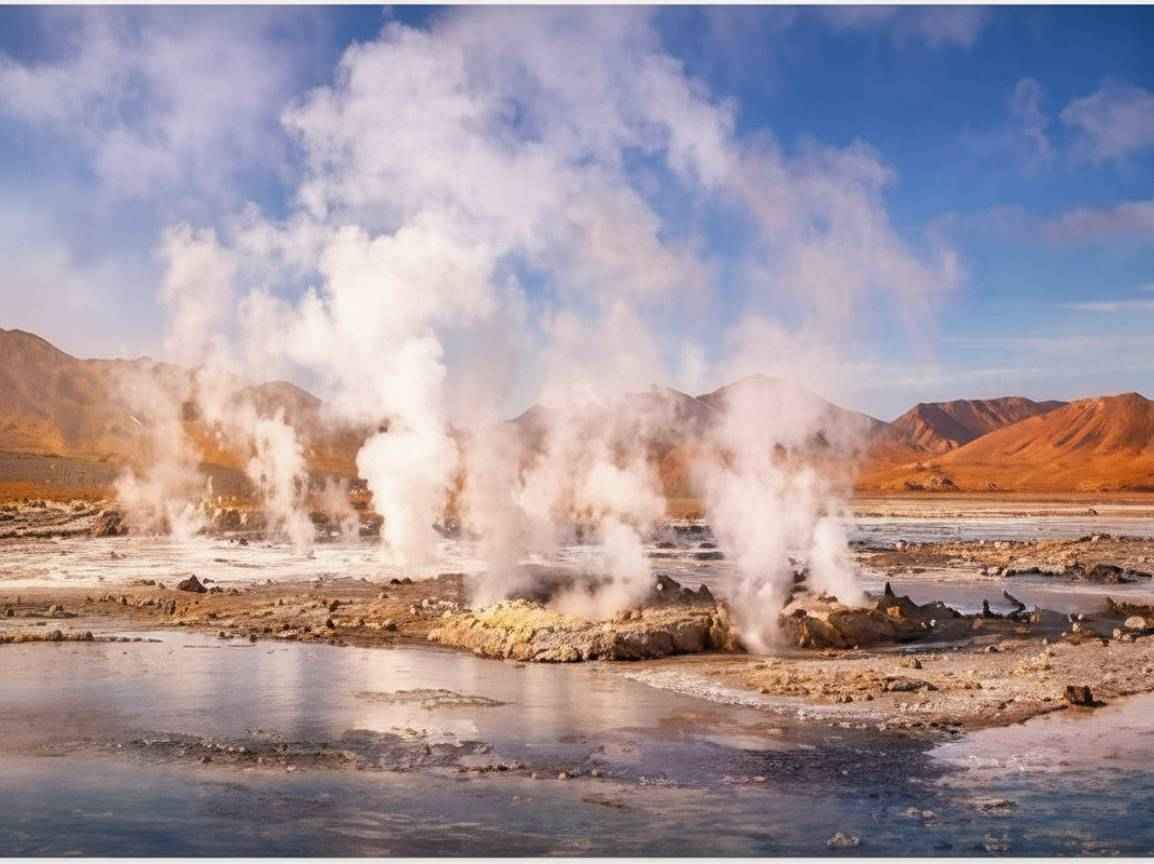
At sunrise, the El Tatio geysers put on a dramatic display, with jets of steam rising from the cold desert floor. It is one of the highest geyser fields in the world, and the sight of steam mixing with the early morning light is unforgettable. Nearby, the Puritama Hot Springs provide a warm, relaxing contrast to the dry, cold environment. These hot springs allow us to enjoy the desert in a completely different way, combining adventure with comfort.
Why We Love Its Starry Skies
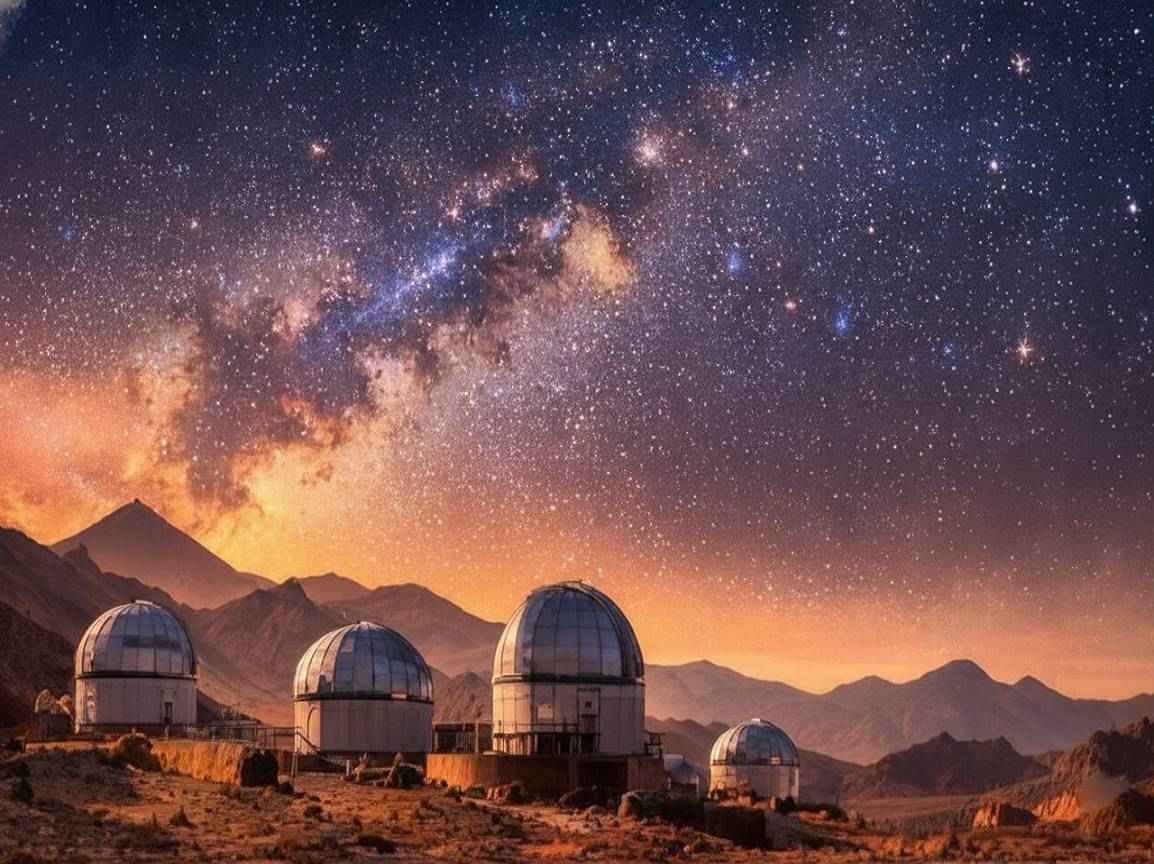
One of the most magical aspects of the Desert de Atacama is its night sky. With minimal cloud cover, high altitude, and almost no light pollution, the desert becomes one of the best places on Earth for stargazing. When we look up, the Milky Way stretches overhead in its full glory, and countless stars fill the sky. Astronomical observatories around the desert have made it a hub for both scientists and amateur astronomers, allowing visitors to see planets, nebulae, and distant galaxies with clarity that is impossible in most other places.
The night sky in the Desert de Atacama is not just beautiful, it is inspiring. Many travelers, including us, find it a deeply moving experience to lie under this vast, clear sky and feel connected to the universe.
Surprising Life in an Extreme Environment
It is easy to think that life cannot survive in such harsh conditions, but the Desert de Atacama proves otherwise. Despite almost no rainfall, this desert supports a surprising variety of life forms.
-
Flamingos and other birds feed in the shallow waters of salt flats, relying on the tiny organisms that thrive there.
-
Microbes and other microorganisms live in places with almost no water, adapting to the extreme aridity.
-
Occasional desert plants survive by using underground water or moisture from fog.
These life forms demonstrate the resilience of nature and show that even in the harshest environments, life finds a way to endure. Observing these adaptations gives us a deeper appreciation for the delicate balance of ecosystems in extreme climates.
Best Time to Visit Desert de Atacama
The Desert de Atacama is welcoming almost year-round, but conditions and experiences vary depending on the season.
-
Spring and Fall: These months offer mild weather, fewer crowds, and pleasant daytime temperatures, making it ideal for exploring the desert.
-
Summer: Clear skies and hot days create excellent conditions for stargazing and photography.
-
Winter: Nights can be very cold, and snow may occasionally dust the higher elevations, offering a rare and memorable sight.
No matter when we visit, we always recommend bringing layered clothing. Temperatures in the desert swing dramatically between day and night, and proper preparation ensures a comfortable experience.
Insider Tips for Travelers
Over our trips to the Desert de Atacama, we have learned several practical tips that make visiting easier and more enjoyable:
Plan for Distance
The desert is vast, and most attractions are spread out over hundreds of kilometers, with landscapes that occasionally reveal a hidden desert oasis along the way. Renting a car or booking organized transport is essential for reaching all the key sites, especially when routes pass through remote terrain. Travel times can be long, but the journey itself offers spectacular views and unexpected surprises that make the experience just as rewarding as the destinations.
Stay Hydrated
The desert air is extremely dry, and the sun is strong. Carrying sufficient water is crucial to avoid dehydration. Even a short walk can become exhausting without proper hydration.
Base Yourself in San Pedro
The town of San Pedro de Atacama serves as the main hub for travelers. It has accommodations, restaurants, and tour services that make exploring the surrounding desert much easier. Staying in San Pedro allows us to reach major attractions efficiently while enjoying local culture and cuisine.
Bring Sun Protection
Sunscreen, hats, and sunglasses are essential. The high altitude increases sun exposure, and reflective surfaces like salt flats intensify it. Protecting ourselves from sunburn and heat-related issues is key to a comfortable visit.
Final Thoughts: Desert de Atacama A Place Like No Other
The Desert de Atacama is more than just a dry, barren land. It is a place of extremes, where life, weather, and geology come together to create landscapes that feel timeless and powerful. From its salt flats and volcanic valleys to its geysers and starlit skies, every part of this desert offers new wonders to discover experiences we love highlighting at The Tourists World.
Traveling through the Desert de Atacama is a reminder of the resilience of nature and the beauty that can exist in even the harshest environments. Whether you are a seasoned traveler or someone planning your first adventure, the Desert de Atacama promises experiences that stay with you long after you leave.
The Desert de Atacama is not only a destination but a journey into the extraordinary. Its extreme climate, dramatic landscapes, and vibrant wildlife combine to create an adventure that is as educational as it is awe-inspiring.
FAQs
1. How dry is the Desert de Atacama?
It is one of the driest non-polar places on Earth. Some areas may not receive measurable rainfall for decades.
2. Where is the best place to stay in the desert?
San Pedro de Atacama is the main base for travelers, offering accommodations and easy access to the desert’s attractions.
3. What is the best time for stargazing?
Clear nights throughout the year are ideal, but dry seasons with no moonlight provide the best visibility.
4. Are there wildlife experiences in the desert?
Yes. Flamingos and desert birds feed in salt flats, and microorganisms thrive in harsh conditions, showing nature’s adaptability.
5. Is it safe to explore the desert on your own?
With proper preparation, including water, sun protection, and navigation, it is safe. Guided tours provide extra insight and make visiting easier.
6. What are the must-see sites in Desert de Atacama?
Valle de la Luna, Salar de Atacama, El Tatio Geysers, and Puritama Hot Springs are among the top attractions for most travelers.
7. Do I need special clothing for visiting?
Layered clothing is essential due to temperature swings between day and night. Sun protection is also highly recommended.