Why the Blue City Morocco Is Painted Blue: History, Meaning, and Myths
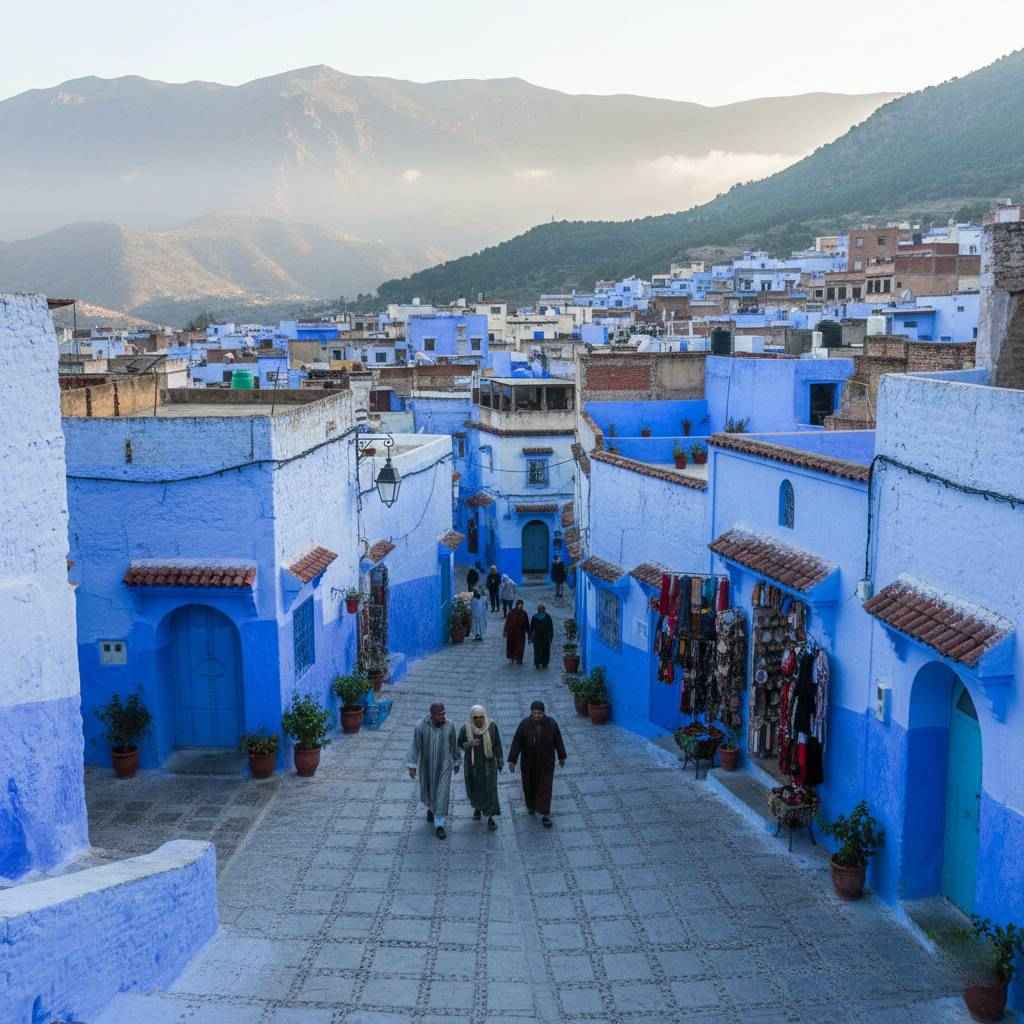
The blue city morocco fascinates travelers with its calm streets and dreamlike shades. This place, known as Chefchaouen, sits in the Rif Mountains. It attracts backpackers, photographers, and culture lovers alike. At first glance, the blue walls feel artistic. However, deeper stories shape this iconic destination.
In this guide by The Tourists World, we explain why this city wears blue. We also break down its history, symbolism, and myths. Moreover, we share cultural insights travelers often miss. If you love slow travel, hidden gems, and meaningful journeys, this guide fits you well.
The History Behind the Blue City Morocco and Its Roots
The story of the blue city morocco starts in 1471. Moulay Ali Ben Moussa founded Chefchaouen as a fortress town. It protected locals from Portuguese invasions. Over time, Andalusian Muslims and Jewish refugees settled here. They brought strong traditions and beliefs with them.
Many historians link the blue color to Jewish settlers in the 1930s. In Jewish culture, blue symbolizes the sky and God’s presence. Therefore, painting walls blue reminded residents of spiritual life. This belief still holds value today.
However, locals also explain practical reasons behind the color choice. Blue paint helps repel mosquitoes. It also keeps homes cool during warm seasons. These benefits mattered in mountain climates.
As years passed, residents embraced blue as identity. Every shade tells a story. Some homes use soft pastels. Others feature deep cobalt tones. Together, they create a peaceful vibe.
Travelers often ask why the city stayed blue. The answer remains simple. Tradition shaped pride. Pride shaped preservation.
Key historical influences include:
-
Jewish spiritual symbolism
-
Andalusian cultural roots
-
Climate-friendly living practices
-
Community identity and unity
Today, the blue city morocco reflects shared history rather than one belief alone.
Spiritual Meaning and Cultural Symbolism of the Blue City Morocco
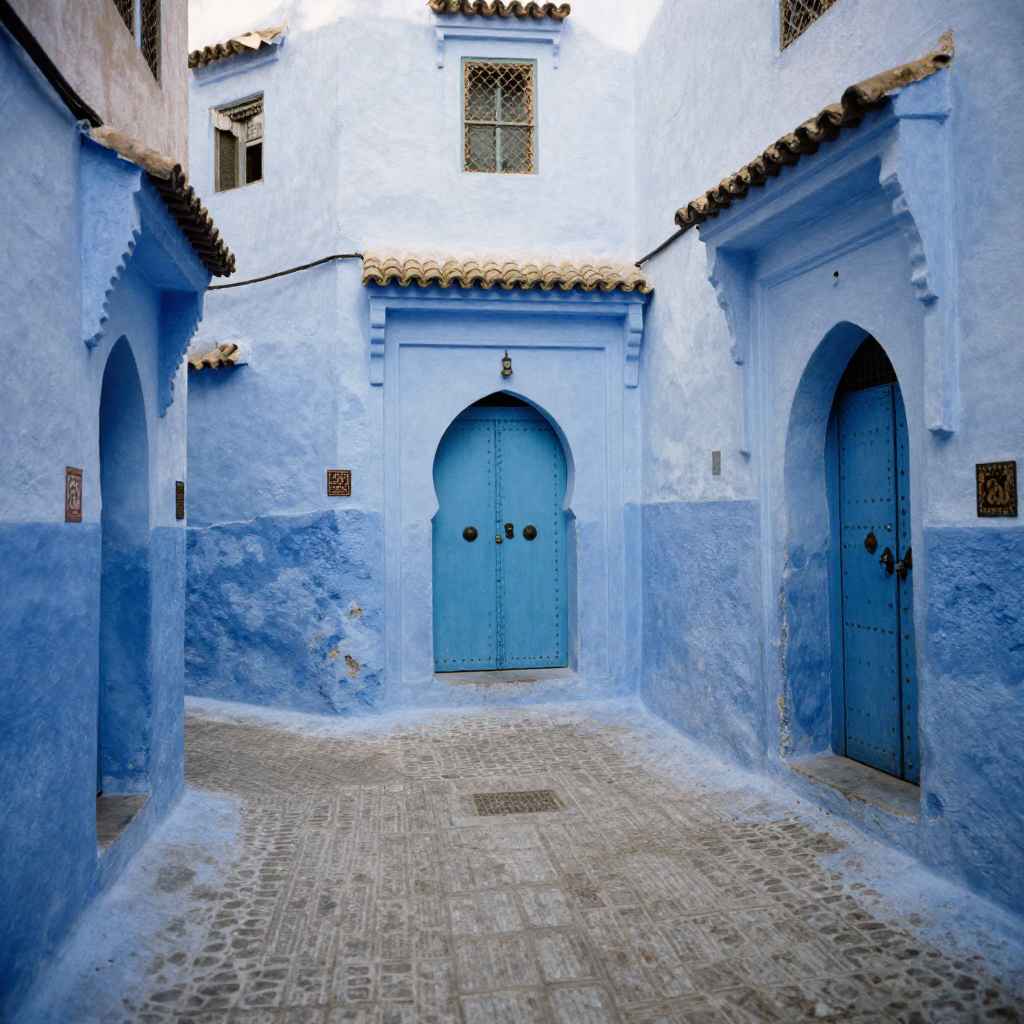
The blue city morocco holds deep symbolic meaning beyond beauty. Blue represents calm, reflection, and protection. Many locals believe it wards off negative energy. As a result, the color creates mental peace.
In Islam, blue links to heaven and spirituality. It reminds people to stay grounded. Therefore, painting homes blue becomes an act of faith. Jewish teachings also value blue as sacred. Both cultures shaped Chefchaouen’s soul. Cultural symbolism also influences local crafts. You will see blue textiles, pottery, and door frames. Each item reflects pride and tradition—similar to how traditional garments carry history and meaning, as explored in the history and symbolism of the sarong.
Furthermore, blue mirrors the sky and sea. It connects people to nature. This connection matters in Moroccan daily life. Residents value balance and harmony.
Travelers often describe walking here as meditative. Narrow lanes slow your pace. Soft blue tones relax your senses. Even busy areas feel calm. That feeling defines the experience.
Cultural symbolism also influences local crafts. You will see blue textiles, pottery, and door frames. Each item reflects pride and tradition.
Common symbolic meanings include:
-
Spiritual awareness and faith
-
Peaceful living and mindfulness
-
Protection from harm
-
Connection to nature
Because of this symbolism, repainting walls continues yearly. Locals maintain color consistency. This care preserves identity.
The blue city morocco therefore feels sacred, not staged. Culture lives in every corner.
Myths, Legends, and Folklore of the Blue City Morocco
Many myths surround the blue city morocco, adding mystery to its charm. Some locals believe blue keeps evil spirits away. Others say it attracts positive energy. These stories pass through generations.
One legend claims angels blessed the city with blue skies. Residents then mirrored that blessing on walls. Another tale suggests blue honors nearby waterfalls. These myths enrich the travel experience.
Visitors also hear stories about healing powers. Some believe blue streets reduce anxiety. While science stays silent, travelers swear by the calm.
Tour guides often share playful folklore. They say once you enter, you never forget it. Many travelers agree. The city leaves a lasting mark.
Folklore also explains why shades vary. Dark blues symbolize strength. Light blues suggest peace. Families choose shades based on beliefs.
Popular local myths include:
-
Blue wards off the evil eye
-
Blue attracts good fortune
-
Blue honors mountain spirits
-
Blue brings inner calm
While myths differ, they share one truth. Storytelling matters here. It keeps culture alive.
The blue city morocco thrives on emotion and belief. Myths make it more than a photo stop.
Modern Identity and Tourism Impact on the Blue City Morocco
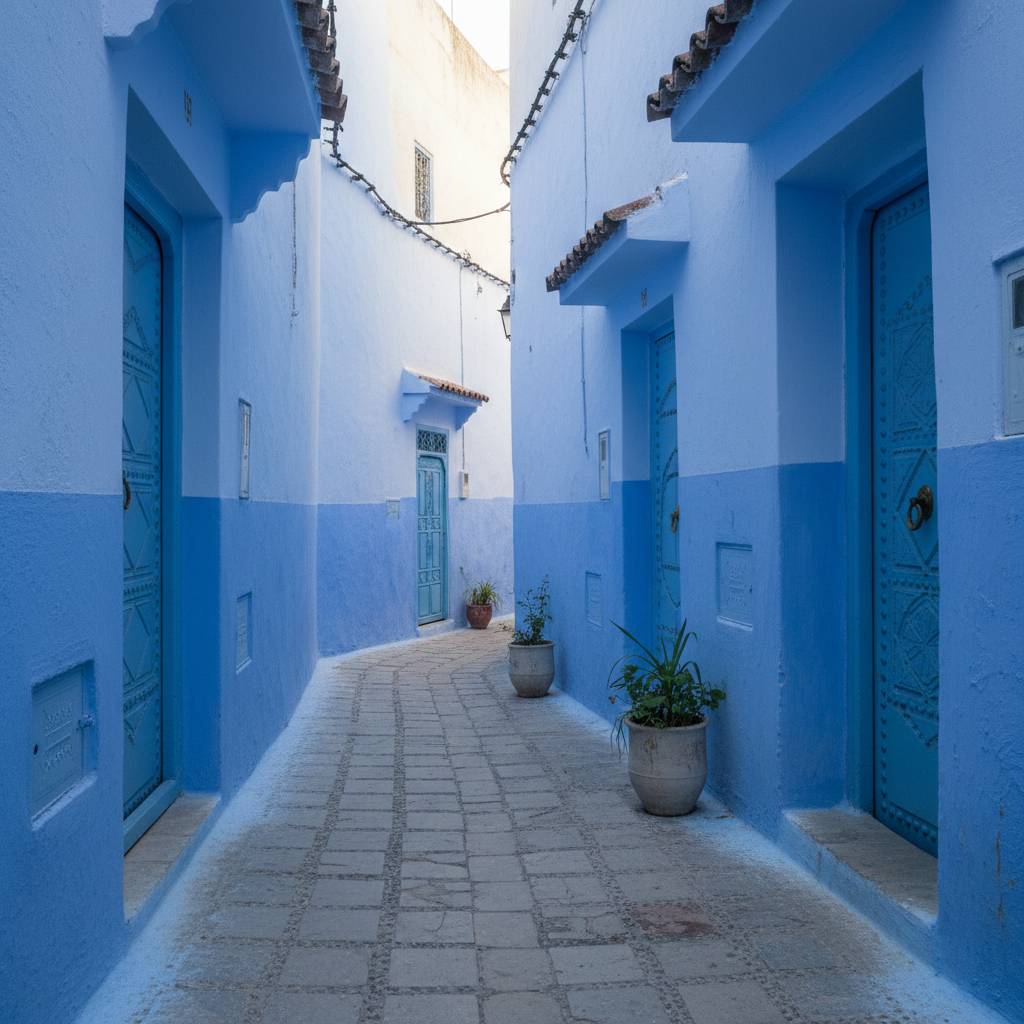
Today, the blue city morocco stands as a global travel icon. Social media boosted its fame. Yet, locals protect authenticity. Tourism changed the economy positively. However, balance remains important.
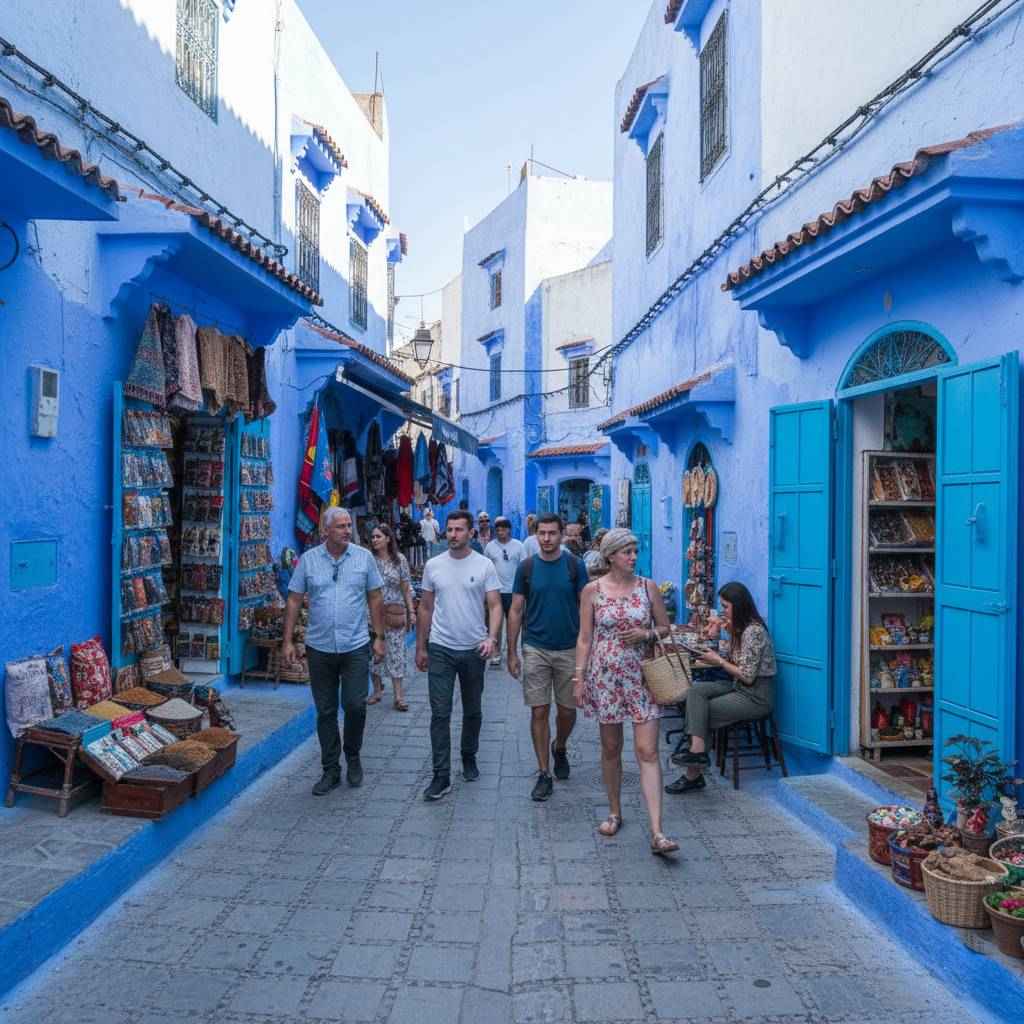
Many residents now run guesthouses, cafés, and craft shops. Tourism provides income and opportunity. Still, rules limit overdevelopment. The city avoids mass tourism traps.
Travelers enjoy slow mornings and sunset strolls. Backpackers love budget riads. Digital nomads enjoy peaceful work spots. Everyone finds a vibe here. Travelers who appreciate destinations that balance culture and tourism often seek similar experiences elsewhere, such as the historically rich routes highlighted in places to visit in Turkey.
The local council encourages sustainable travel. They promote cultural respect. Visitors learn about traditions before exploring. This approach supports responsible tourism.
Despite fame, daily life continues. Children play in blue alleys. Elders chat outside homes. Life feels real, not staged.
Modern travel benefits include:
-
Community-led tourism
-
Preservation of heritage
-
Eco-friendly initiatives
-
Authentic local experiences
For travelers, the experience feels genuine. You don’t just visit. You connect.
The blue city morocco proves tourism and tradition can coexist. That balance keeps it special.
FAQs
Why is the blue city morocco painted blue?
The blue color reflects spiritual beliefs, cultural traditions, and practical benefits like cooling homes.
Is the blue city morocco a real place or a tourist creation?
It is a real city called Chefchaouen with deep historical roots.
When is the best time to visit the blue city morocco?
Spring and autumn offer pleasant weather and fewer crowds.
Does the blue paint have any practical purpose?
Yes, it helps repel insects and keeps interiors cooler.
Is the blue city morocco safe for travelers?
Yes, it is considered safe and welcoming for tourists.
Can you stay overnight in the blue city morocco?
Yes, many riads and guesthouses offer comfortable stays.
Why do locals continue repainting the city blue?
They preserve tradition, identity, and cultural pride.